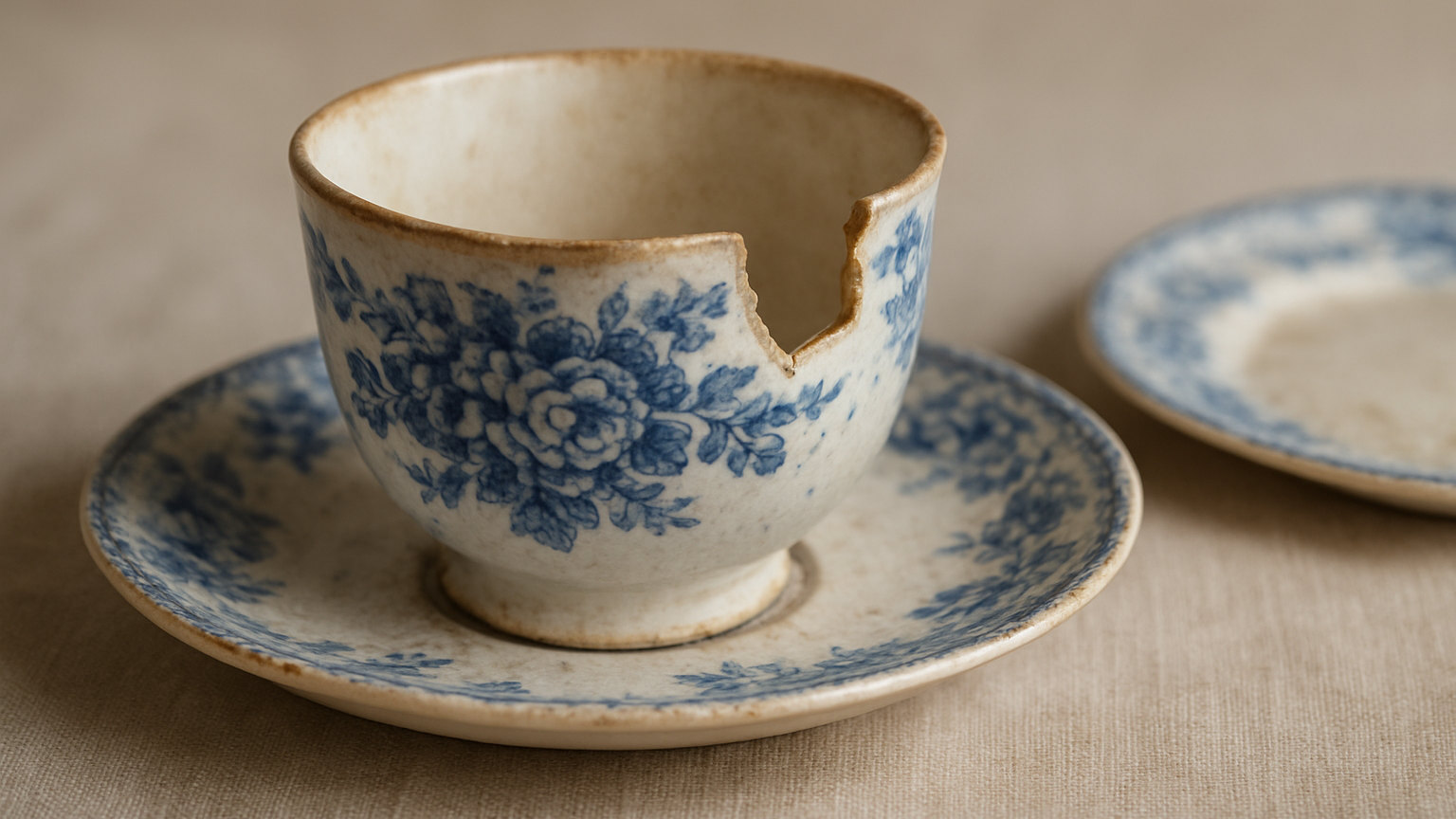
Inherited services are almost never complete. Plates get broken, a tureen lid goes, and what arrives is a substantial part of something rather than the whole. Since a complete service is worth considerably more than the sum of its pieces, completing one is sometimes a genuinely profitable exercise and sometimes a waste of money. The arithmetic decides.
Why does completeness matter so much?
Because buyers want to lay a table. A complete service commands a premium well above what the individual pieces would fetch, while an incomplete one is valued at roughly the sum of its parts, which is much less per item.
The effect is strongest at the numbers people actually use. Getting from service for ten to service for twelve matters less than getting from an odd assortment to a coherent set of eight, because eight is a number somebody can plan a table around.
What should you inventory first?
Everything, by type and by size, laid out and counted properly rather than estimated. Dinner plates, side plates, dessert plates, soup bowls, cups, saucers, and every serving piece separately.
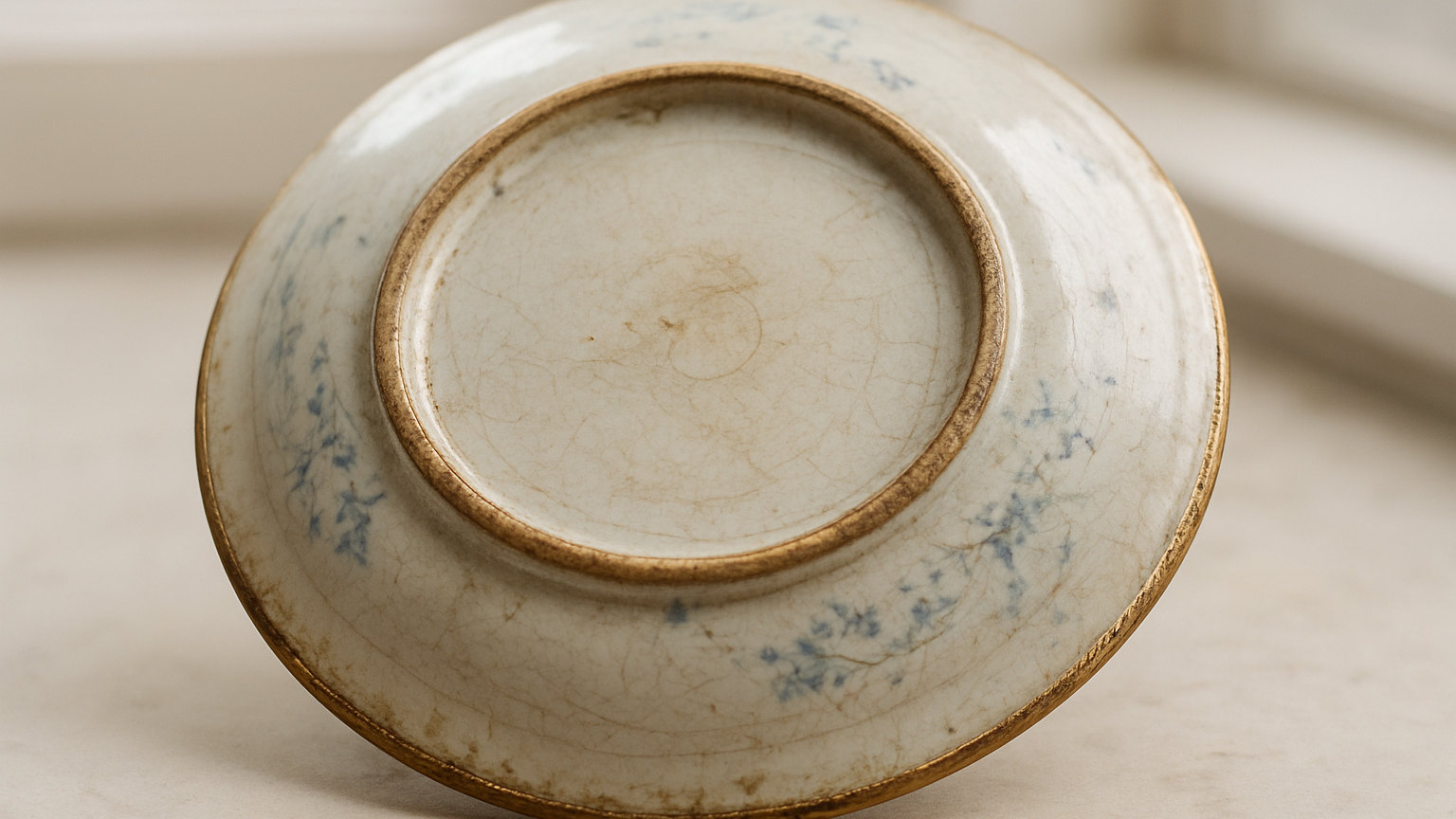
Measure the diameters, because services included plates in several sizes and a listing that says dinner plate may mean something different from yours. Note the exact backstamp and any pattern name or number, and photograph a representative piece front and back.
Where do you find replacements?
Specialist replacement dealers, who hold enormous stocks of discontinued patterns and operate searchable archives organised by pattern. They will also register a want and contact you when a piece appears.
Online marketplaces are the other main source and frequently cheaper, though you are searching rather than being searched for. Auction houses occasionally offer part services that can be cannibalised, and buying a cheap incomplete service to extract two missing pieces is sometimes the least expensive route.
How do you identify an unmarked pattern?
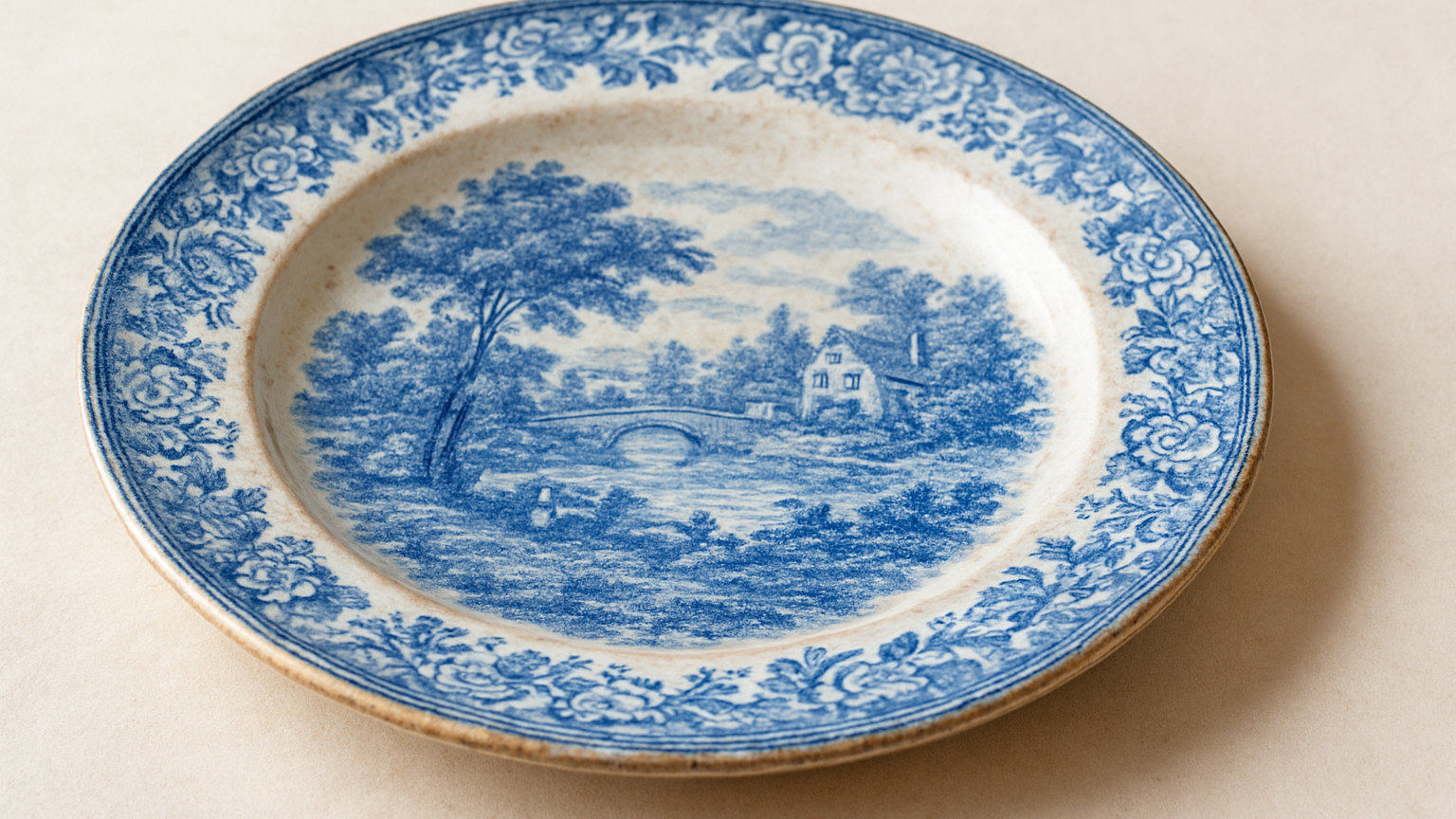
Describe it systematically. Note the border design first, since borders are more distinctive than centres and were reused less often. Record the colours, the rim shape, whether it is fluted or scalloped, and any gilding.
Then the centre motif and how many times the pattern repeats around the rim. Replacement specialists identify patterns from good photographs as a matter of routine, so send a plate photographed flat on in daylight, plus the reverse, plus a close detail of the border.
Which pieces are hardest to find?
Serving pieces, without exception. There was only ever one tureen to a dozen plates and it saw the heaviest use, so tureens, lidded vegetable dishes, sauce boats, meat plates and teapots are the scarce survivors.
Lids are the worst of all, since a lid that broke left an orphaned base and the two are almost never reunited. Expect a serving piece to cost several times what a dinner plate does, which is exactly why the arithmetic needs doing before you commit.
How do you decide whether it is worth it?
Establish what the complete service would be worth, what the incomplete one is worth now, and what the missing pieces will cost. If the cost of completing exceeds the increase in value, stop.
For most ordinary services it does exceed it, and the sensible conclusion is to use and enjoy what you have. Completion is worth pursuing on sought after patterns, on early services, and where you are only two or three pieces short of a usable number.
What should you check on a replacement piece?
That the backstamp matches, since factories revised marks during long production runs and a piece from a different decade may differ subtly in shade or size. Ask the seller for a photograph of the base before buying.
Check the condition description carefully for crazing, staining, chips and wear to gilding, and be aware that a bright unworn replacement can look wrong beside pieces that have been used for generations. Matching the age of wear matters almost as much as matching the pattern.