A longcase clock is really two antiques living together: a movement, which is a machine, and a case, which is furniture. They were often made by different people in different places, and over three centuries of repairs and house moves they have frequently been separated and recombined. Valuing one properly means assessing each part and then asking whether they belong together.
Which part carries the value?
Usually the movement and the dial, because that is where the skill and the maker identity sit. The case was frequently made locally by a cabinetmaker to house a movement bought in, so a fine movement in a plain case is a common and perfectly honest combination.
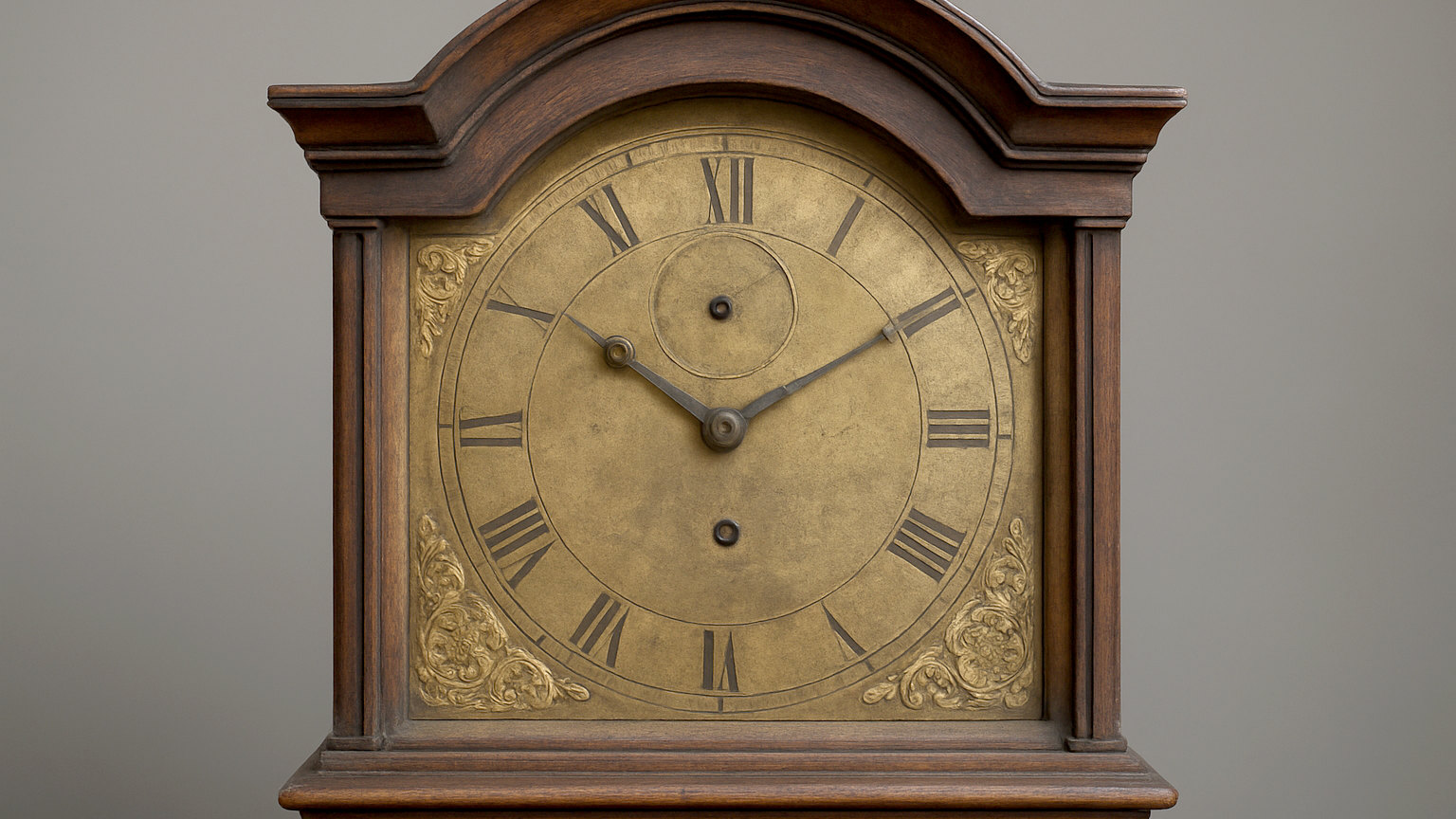
An eight day movement, which runs for a week on one winding and has two winding holes in the dial, is worth considerably more than a thirty hour movement wound daily by pulling a chain or rope. That single distinction moves the price more than most decorative features.
What does the dial tell you?
The dial usually carries the makers name and town, which gives you a person to research in trade directories and therefore a date range. Dial materials and finishes also changed over time, from brass dials with applied chapter rings through to painted dials.
Look at how the name is applied and whether it sits comfortably in the space. A name that looks cramped, or that has been engraved over an erased area, may have been added later. Repainted dials are common and reduce value, particularly when the original painted decoration has been lost.
How do you spot a marriage?
Start inside the case. The movement sits on a wooden seatboard, and the seatboard should show wear and fixing marks that correspond to the movement currently on it. Extra holes, packing pieces under the movement feet, or a seatboard cut down or built up all suggest a different movement once sat there.
Then check the fit at the front. The dial should fill the opening in the hood cleanly. Gaps around the edge, a hood mask that has been enlarged, or a dial noticeably smaller than the aperture are strong indicators that dial and case were not made for each other. Check that the pendulum swings freely and that the case is tall enough for the pendulum length the movement requires.
Does the case matter at all?
It matters a great deal to the price, even though it carries less of the horological interest. Case timber, proportions and decorative quality all count, and an elegant well figured case in original surface will lift the value substantially.
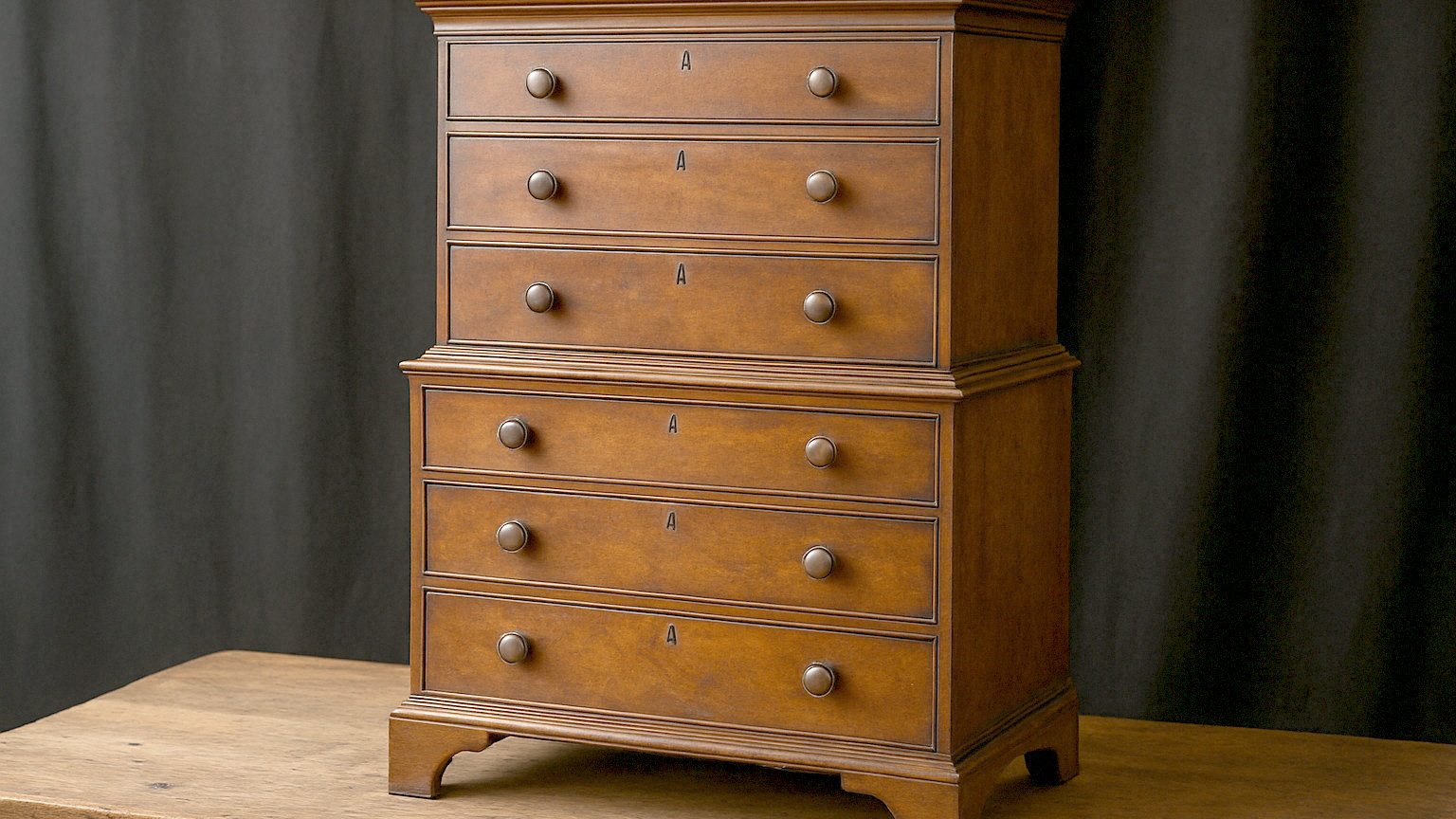
Height is a practical factor that affects saleability more than people expect. Very tall cases will not fit modern rooms, and that limits the buying audience. Check the feet and the base, since these sat on damp floors for generations and are the most commonly replaced parts of any longcase.
What condition issues matter most?
On the movement, heavy wear in the pivot holes, replaced wheels and crude repairs all reduce value. A movement that has been serviced sympathetically by a competent clockmaker is fine, and periodic servicing is normal and necessary.
On the case, look for veneer losses, replaced mouldings, a replaced hood, and damage at the base. Original surface with a genuine accumulated patina is worth protecting. A case that has been stripped and refinished to a uniform modern polish has lost something that cannot be restored.
Should you buy one that does not run?
Possibly, provided the price reflects it and the movement is complete. A clock that has simply not been serviced for decades will often run well after cleaning and adjustment, which is routine work.
What you should be cautious about is a movement with missing parts, since replacements must be made by hand and the cost rises quickly. Ask a clockmaker for an estimate before committing. Never transport a longcase with the pendulum and weights still hanging, because that is how movements get damaged.
Where is the market at the moment?
Ordinary longcase clocks are among the best value antiques available, because sheer size limits demand and fashion has moved away from them. Exceptional makers, unusual movements with additional complications, and very early examples continue to attract strong competition.
If you want one to live with rather than trade, this is a good position to buy from. If you are selling an ordinary example, consider a specialist clock sale rather than a general one.