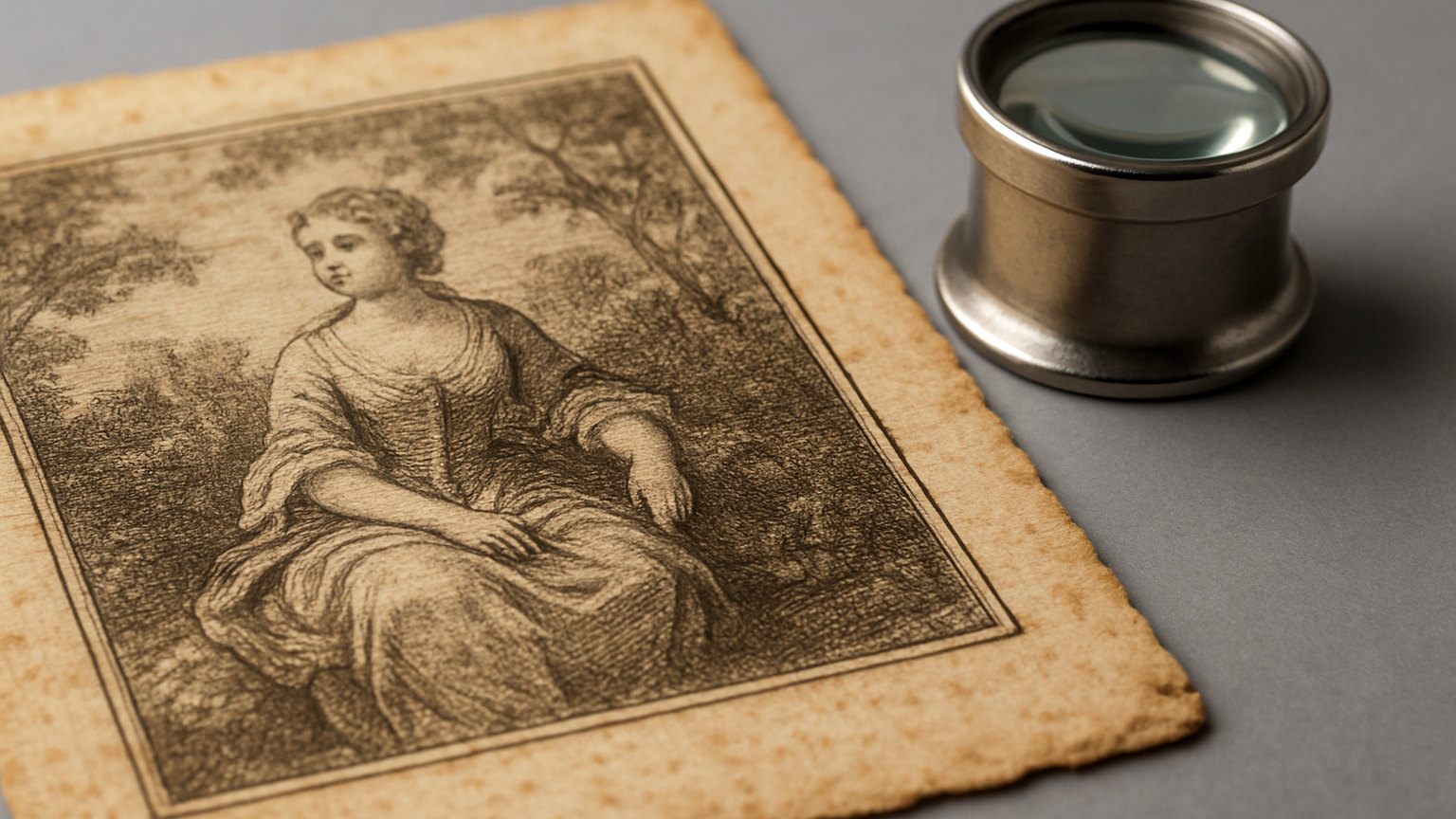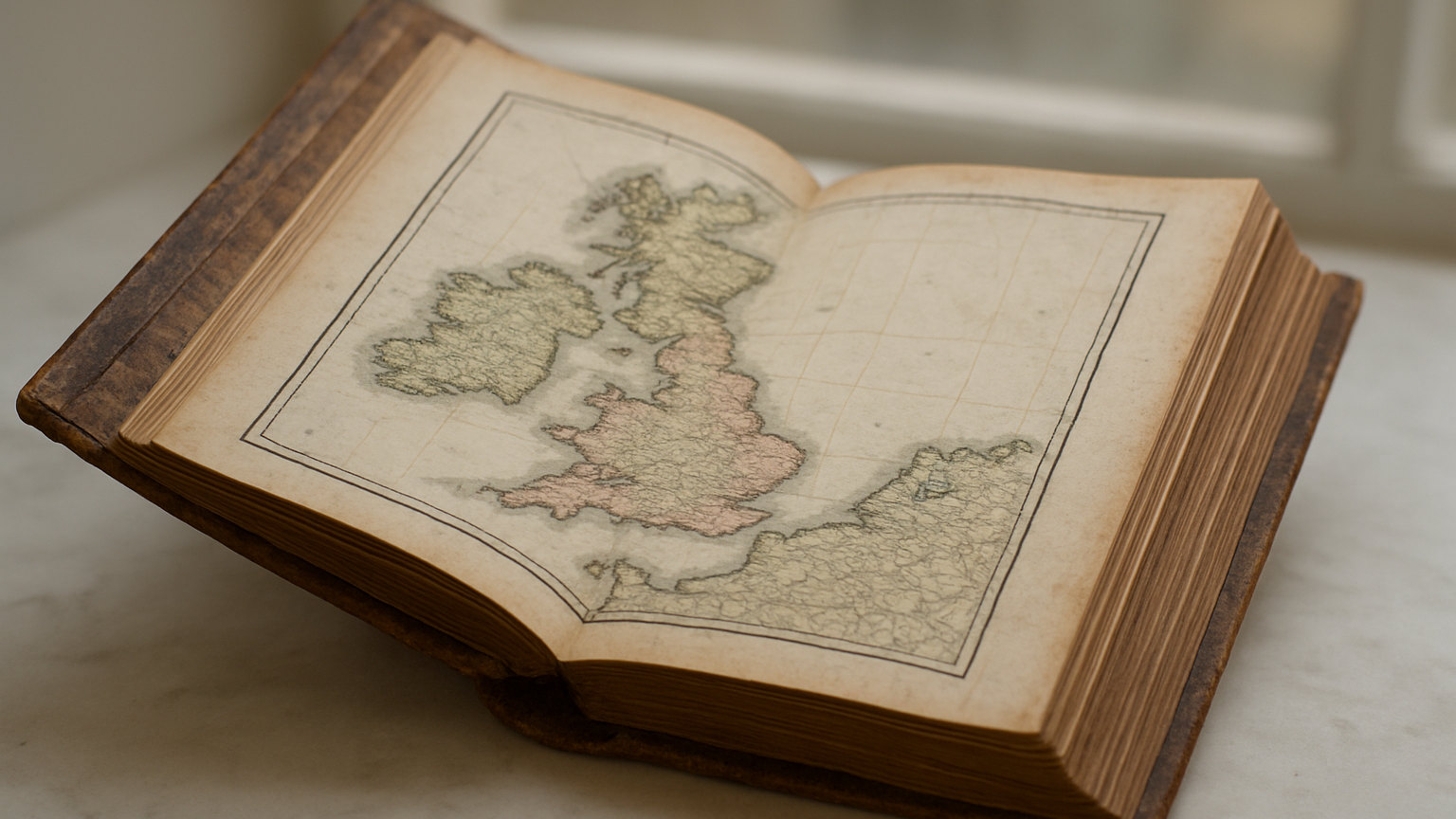
Illustrated books and atlases are the one category where the contents can be worth more than the whole, and that fact has determined their fate. Enormous numbers have been broken up so the plates could be framed and sold individually, which makes an intact complete volume genuinely scarce and correspondingly valuable.
What is book breaking?
Dismantling a volume to sell its plates or maps separately, which frequently produces more money than the intact book would. It has been done on a very large scale.
The practice is why so many antique maps and prints are available loose and why complete atlases are hard to find. It also means that any atlas you encounter should be checked for completeness first, since a broken and partially reassembled volume is a real possibility.
How do you check completeness?
By collation, meaning checking the actual contents against the list of plates or maps printed at the front. Count every one and tick it off individually.
This is tedious and it is the single most important thing you can do. A missing plate can halve the value of an otherwise sound volume. Where no list exists, published bibliographies record what a given edition should contain, and specialist booksellers use these routinely.
What are the signs a plate has been removed?
A stub, meaning the narrow remnant of a leaf left in the binding where a plate was cut out. Look along the inner margin of the gutter for these.
Also look for a change in the tightness of the binding, for plates that have been reinserted with paste or tape, and for numbering that skips. Where plates have been remounted or guarded in, that is legitimate conservation but should be noted, since it distinguishes a repaired volume from an untouched one.
What else affects value?
Whether the plates are hand coloured, and whether that colour is original to the period or added later. Original period colour on maps adds substantially.
Condition of the plates matters more than condition of the text, since the plates are what buyers want. Look for foxing, browning, offsetting where ink has transferred from one page to another, and any repairs or trimming to the plate margins.
Does the binding matter?
Considerably, though less than completeness. An original publisher binding in sound condition is preferred to a later rebinding, however handsome the later one is.
Large folio atlases are heavy and their bindings suffer accordingly, with broken hinges and detached boards extremely common. That is repairable by a bookbinder and is far less serious than a missing plate. Check the joints where the boards meet the spine.
How should a large volume be handled?
With both hands and support underneath, never lifted by one board. A heavy folio picked up by its cover will tear the hinge, and that is exactly how most of them are damaged.
Store large volumes flat rather than upright, since their own weight pulls the text block away from the binding when they stand. Support the boards when opening, and never force a tight volume flat, since that breaks the spine.
Should you break one up?
It is legal and it is frequently more profitable, and it is also irreversible. A complete atlas is a historical object; a stack of loose plates is decoration.
The market has already removed most of them, which is precisely why intact copies command a premium and why that premium keeps rising. Before breaking anything, get it valued intact by a specialist, since a complete volume of a scarce edition may be worth considerably more than the sum of its maps.
Where should one be sold?
Through a specialist book or map dealer, or a specialist auction, rather than a general saleroom where it may be catalogued casually and sold to the trade for a fraction of its worth.
Provide a full collation with the item, since a buyer will want to know it is complete and a seller who has already checked is in a much stronger position. Photograph the title page, the plate list and a representative selection of plates.