There is no single best place to sell an antique, only a best place for a particular object. Matching the item to the venue is what separates a good result from a disappointing one, and the mismatch usually comes from choosing on convenience rather than on where the buyers for that thing actually are.
When is a specialist auction the right choice?
When the item has genuine collector demand and enough value to justify the process. Specialist sales are advertised to people who collect that exact category, and those buyers compete with each other, which is what produces strong prices.
The trade off is time and cost. A specialist sale may be months away, since houses gather enough material to fill a catalogue, and commission plus additional fees will take a meaningful share. For a good piece the higher price usually more than covers it.
What about a general saleroom?
General sales clear volume quickly and suit ordinary household antiques, furniture that is more useful than collectable, and mixed lots of smaller items. Sales run frequently, so money arrives sooner.
The audience is broader and less specialist, which means an unusual item may go unrecognised. If you suspect a piece is better than the rest of the contents, have it looked at separately rather than letting it disappear into a box lot.
Does online selling work?
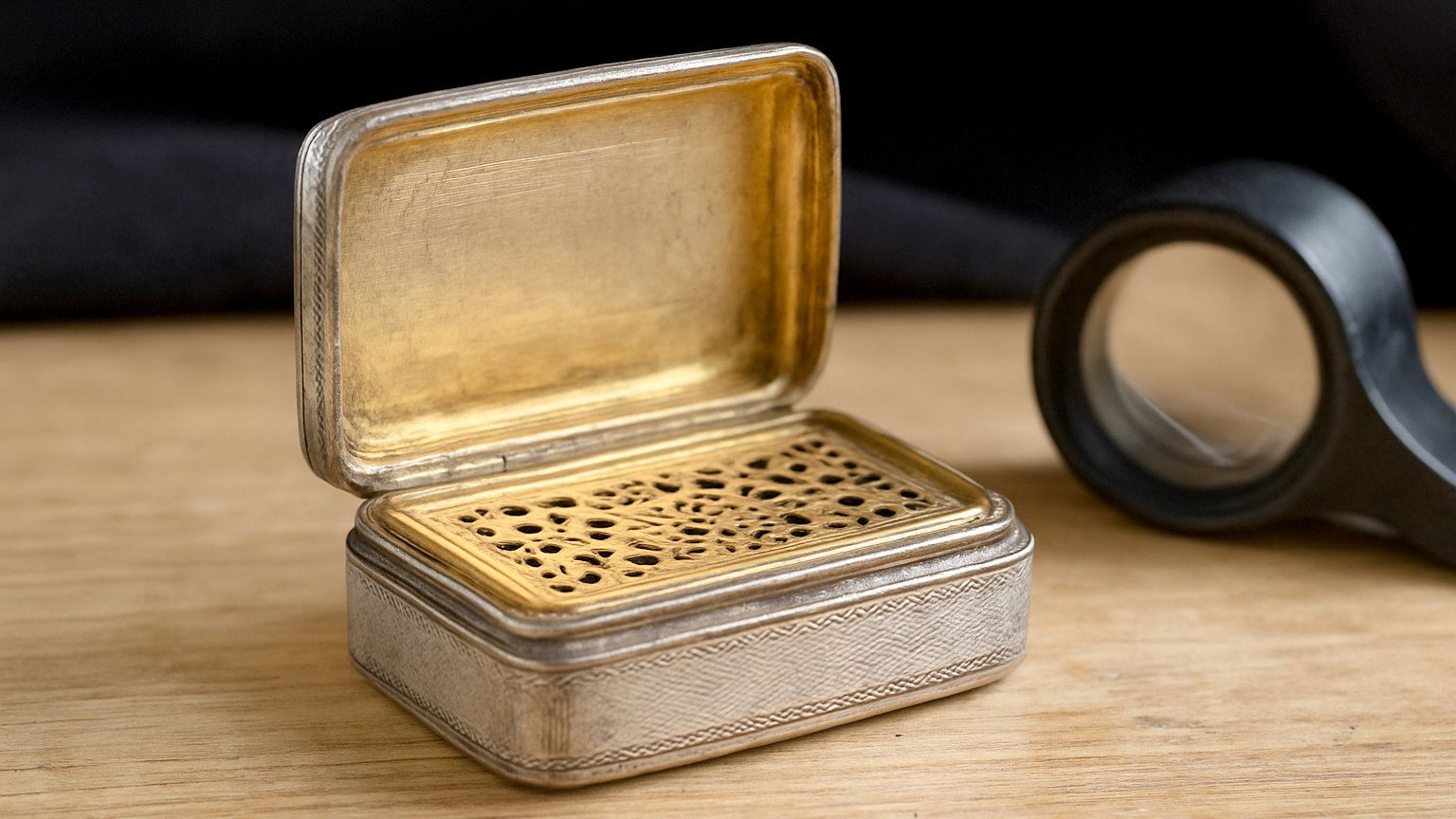
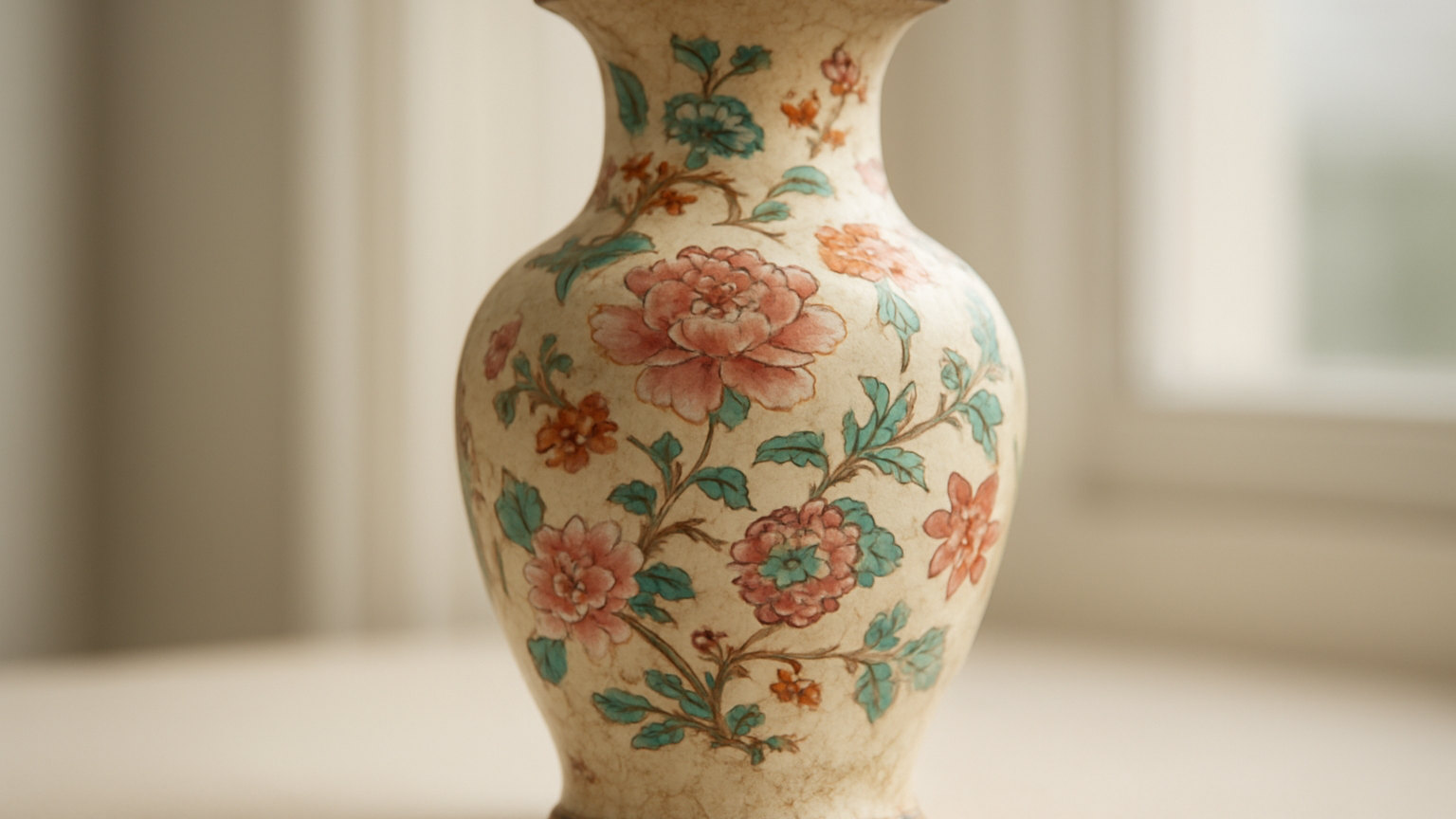
Extremely well for small, portable, easily described items, and poorly for large furniture. Online marketplaces reach an enormous audience of collectors searching for exactly what you have, which is ideal for jewellery, coins, toys, books and ceramics.
Furniture is a different matter, because shipping cost and risk deter buyers and the market becomes local by default. Selling online means doing the work yourself: photography, description, packing, postage and dealing with returns. Factor in fees, which are charged on the sale price and often on postage as well.
Why would you sell to a dealer?
Speed and certainty. A dealer pays today, takes the item away, and removes every uncertainty about whether it will sell and for how much. That convenience has a price, because they must sell it on at a profit and may hold it for a long time.
Expect an offer well below the eventual retail figure. That is not sharp practice, it is how the business works, and for many sellers the certainty is worth the difference. Get two or three offers rather than accepting the first.
What about fairs and direct sales?
Antique fairs put you in front of both dealers and private buyers, and can work well if you have a quantity of similar material and the time to stand a stall. Costs are the pitch fee and your day.
Selling privately through local listings avoids commission entirely and suits bulky furniture, since buyers collect. Take normal precautions: meet in daylight, have someone with you, and be cautious about payment methods that can be reversed after the item has gone.
How should you prepare an item for sale?
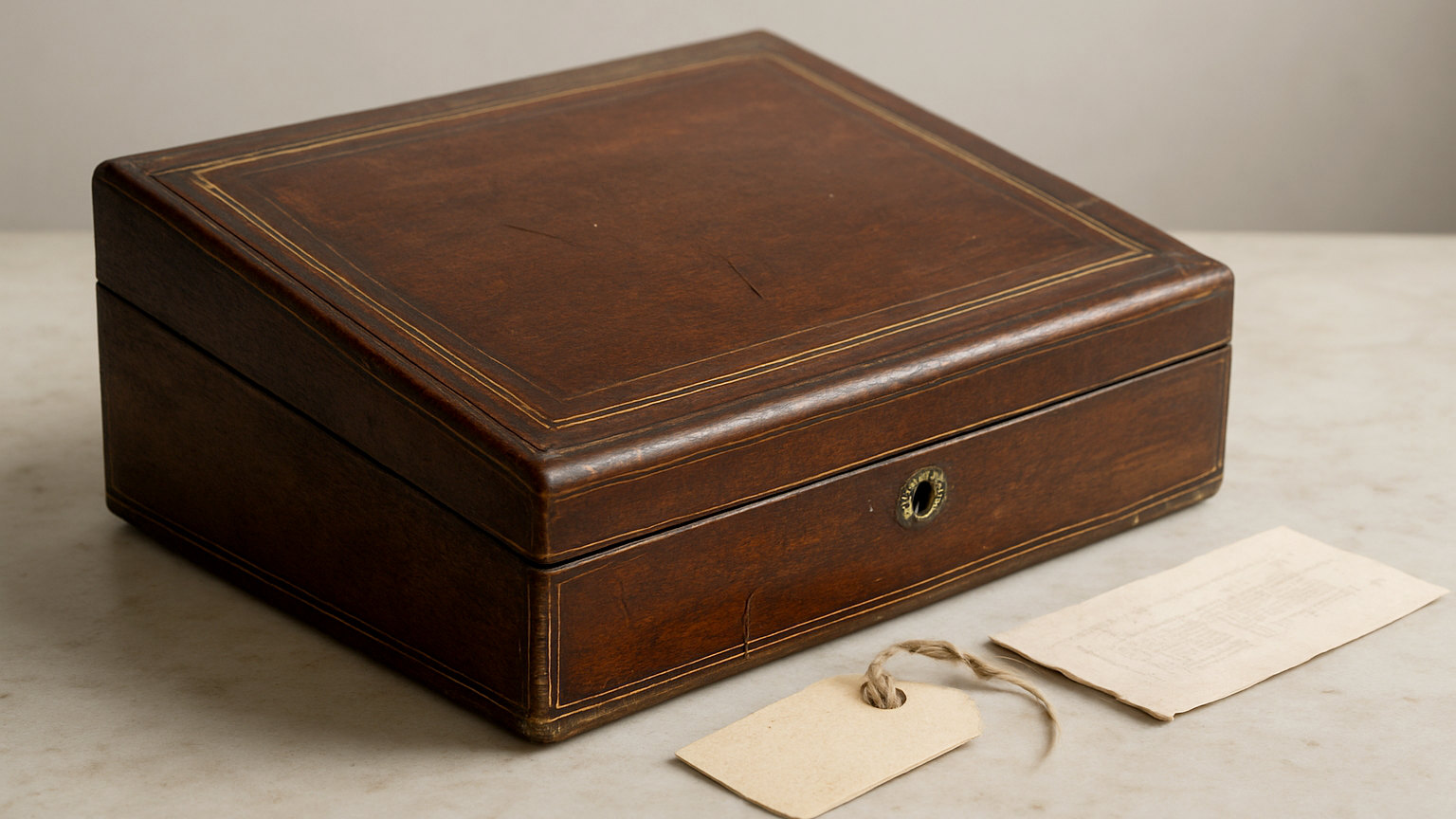
Do less than you think. Resist cleaning, polishing and restoring, because these reduce value far more often than they add to it, and a buyer would rather see the original state and make their own decision.
Gather anything that supports the item instead: original boxes, receipts, letters, old photographs showing it in situ, and any paperwork about where it came from. Documented history adds real money because it removes doubt.
What mistakes cost sellers most?
Splitting sets, cleaning, and selling before identifying. A pair sold separately makes far less than a pair sold together, and a set of six chairs should never become two lots of three.
Above all, find out what the object is before you decide where to sell it. The most expensive errors in this trade are made by people who sold something good through the wrong channel because they did not know what they had. Fifteen minutes of research beforehand will often change which venue makes sense.