Sellers frequently ask whether they should wait for a better moment. The honest answer is that the calendar matters far less than choosing the right venue and describing the object properly, but it is not entirely irrelevant, and a few timing decisions genuinely affect what a lot achieves.
Does the season matter?
Modestly. Sales immediately around major holidays tend to be thinly attended, and the deep summer period sees fewer specialist sales and fewer bidders, since collectors are away.
Autumn and spring carry the heaviest specialist sale calendars, which is when the serious buyers are active and looking. If you have something good, aiming for one of those periods is sensible, though it should not override the choice of house.
What matters more than the season?
Getting into the right sale. A specialist sale devoted to your category is worth waiting several months for, because it reaches the buyers who compete with one another.
A general sale next week reaches whoever happens to be in the room. The gap in outcome between the two is far larger than any seasonal effect, so ask when the next relevant specialist sale is and consign to that rather than the earliest available slot.
What about the wider market cycle?
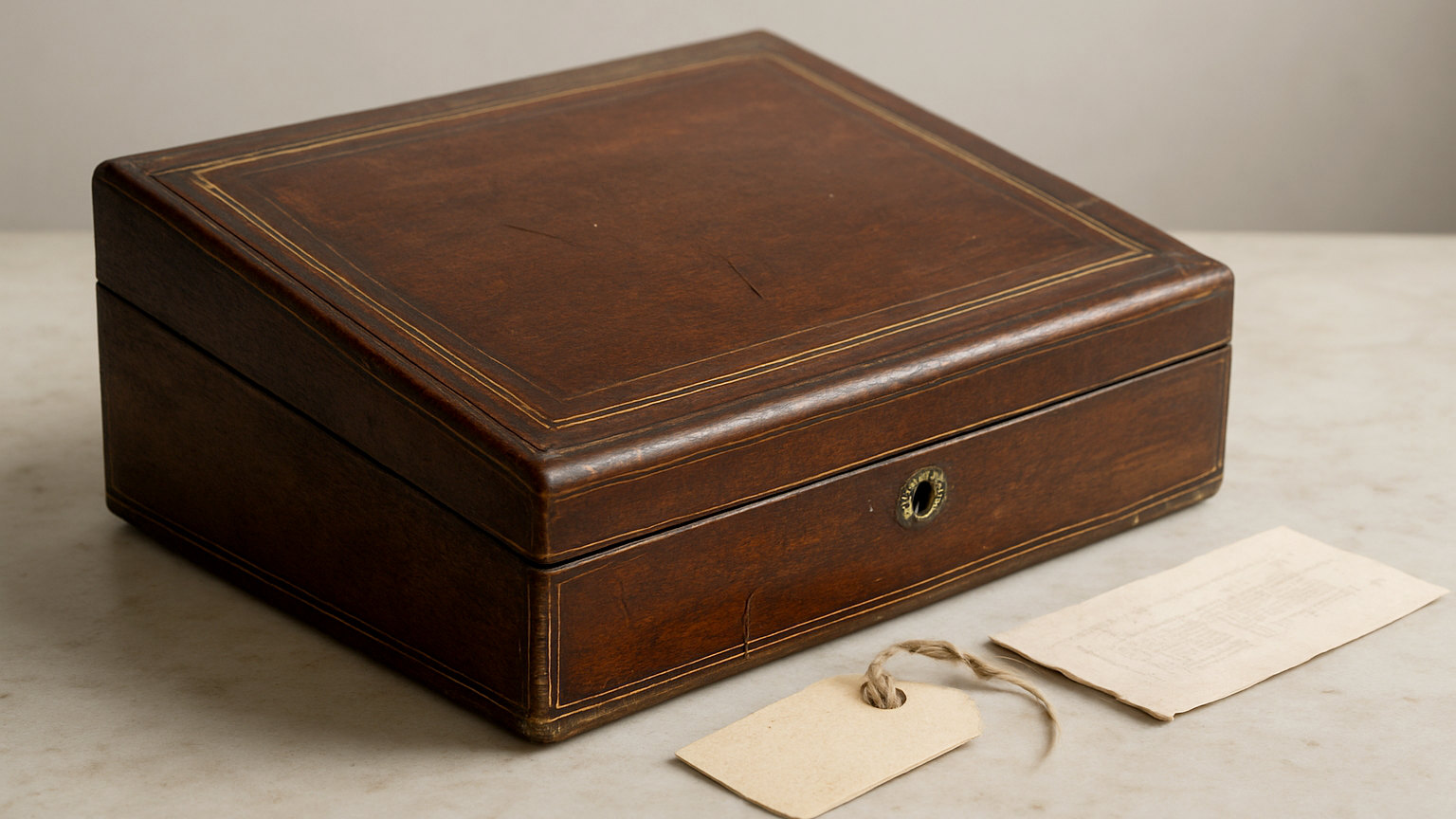
It moves over years rather than months, so waiting for a category to recover is generally a poor plan. Brown furniture has been about to recover for a generation.
Where a category is genuinely rising, holding may pay. Where it is falling, waiting costs money and storage. Look at completed sales over several years rather than at recent anecdotes, and be honest about which direction the evidence points.
Should you avoid selling when others are?
Yes, and this is a real effect. Several comparable lots in one sale divide the available buyers between them and depress prices for all of them.
Ask the specialist what else is in the sale in your category. If three better examples are already consigned, wait for the next one. This matters more in narrow fields where the buying audience is small and fixed.
Does an anniversary or event help?
Occasionally and genuinely. Material connected to an event with a forthcoming significant anniversary attracts attention, and houses schedule sales around them deliberately.
The same applies to publicity: a notable exhibition, a documentary or a major sale in a field lifts interest across it temporarily. If you own something in that field, that is a moment worth catching, though these windows are short.
How long does the process take?
Longer than sellers expect, which is itself a timing consideration. A specialist sale may be months away, cataloguing takes weeks, and settlement follows the sale by several more.
Plan on months rather than weeks from decision to payment. If you need money quickly, auction is the wrong route and a dealer offer is the right one, since certainty and speed are exactly what that discount buys.
When should you not wait?
When storage is costing money or risking damage, when the item is deteriorating, and when a category is clearly falling. Also when the emotional cost of holding an estate open outweighs the difference.
Textiles, paper and anything organic deteriorate in poor storage, and that loss is permanent. An item stored badly for two years waiting for a better market may be worth less at the end regardless of what the market did.
What should you do while waiting?
Research and document rather than nothing. Establish exactly what the object is, gather any provenance, photograph it properly and get two or three opinions on venue.
That work adds more to the eventual price than any timing decision will. A well identified, well documented lot in the right sale outperforms the same object timed perfectly and catalogued casually.
Does the day of the week matter?
Barely, now that most bidding happens online. It once mattered a great deal, when buyers had to attend in person and a weekday sale excluded anybody working.
Live internet bidding has largely removed that constraint, which is one of the clearer benefits it has brought to sellers consigning to provincial salerooms.