Selling an antique is a transaction, and transactions leave records. The seller who has thought about paperwork beforehand gets better prices, avoids disputes and can prove what happened afterwards. The one who has not is relying on everybody remembering the same thing, which is optimistic.
What should you keep before selling?
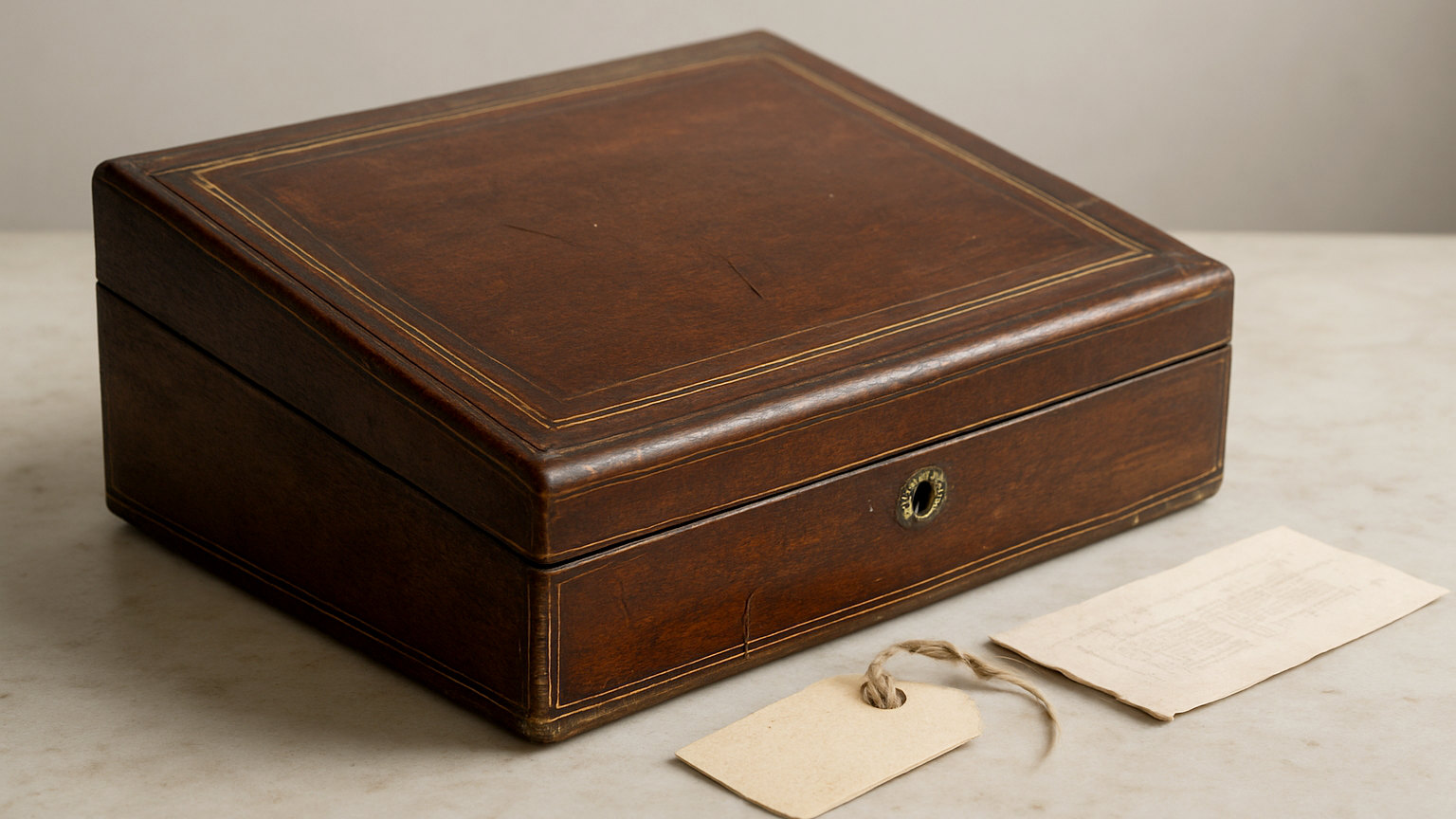
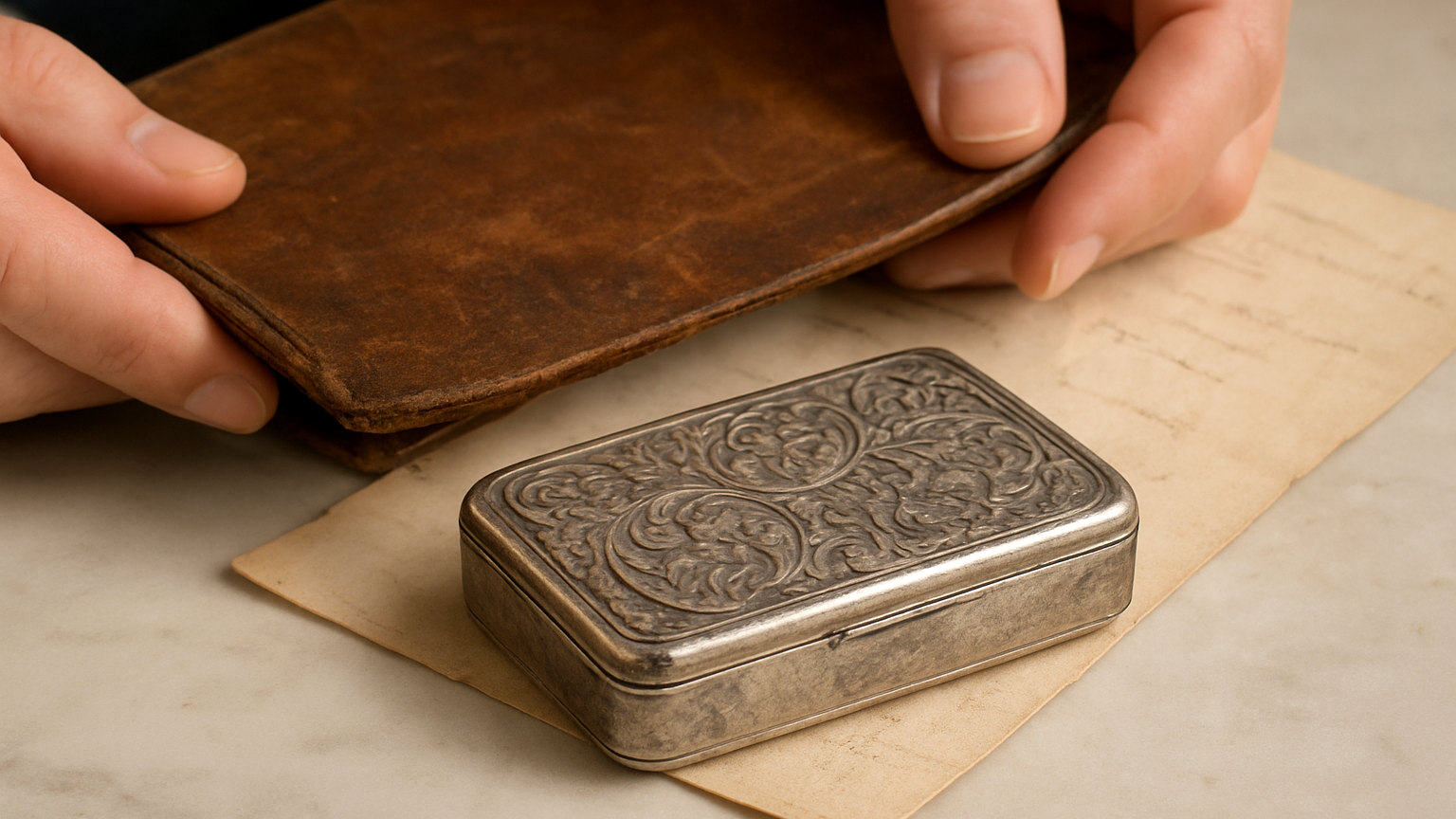
Everything relating to the object. Receipts from when it was bought, old valuations, insurance schedules, correspondence, exhibition labels, auction catalogue entries and photographs showing it in a known interior.
This is provenance, and it adds real money because it removes the largest doubt a buyer carries. Keep it with the object rather than filed separately, since reuniting an item with its history later is usually impossible.
What proves you own it?
Usually nothing formal, which is normal for inherited items. Where you have a receipt, a probate inventory, an old valuation naming you, or documentation from an estate, keep it.
Salerooms will ask you to confirm title when consigning and to provide identification. For anything of significant value, being able to show how you came by it makes the process considerably smoother and is increasingly expected.
What should a consignment agreement cover?
A description of each item, the estimate, the reserve, which sale it enters, the commission and every additional charge, insurance while in their care, and when payment follows the sale.
Get a signed receipt describing the items in detail before anything leaves your possession, and photograph everything first. Read the section on unsold lots specifically, since that is where unexpected costs appear.
What should a private sale receipt say?
The date, the parties, a description of the item including any marks and condition, the price, and how payment was made. Both parties should have a copy.
Describe the object accurately rather than flatteringly, since the description is what a buyer relies on. A receipt stating a piece is by a named maker is a claim you may have to defend, so describe what you can evidence and qualify anything you cannot.
What records should you keep afterwards?
A copy of the receipt or settlement statement, the photographs taken before sale, and a note of who bought the item, when and for how much.
Keep these indefinitely rather than discarding after the transaction. Questions arise years later, items resurface, and disputes about what was sold and how it was described are far easier to settle with contemporaneous records.
Are there items needing special paperwork?
Several. Ivory and other restricted species materials require registration or certification before any sale, and the rules are strict. Cultural property may need an export licence to leave the country.
Certain firearms and edged weapons are governed by their own legislation. Where an item might fall into any of these categories, establish the position before advertising it, since offering a restricted item for sale can itself be an offence.
What about tax records?
Keep records of what you paid and what you received, since disposals can have tax consequences depending on the value and your circumstances.
Executors selling estate contents need records reconciling against the probate valuation, since a substantial difference between the two invites questions. Take advice where the sums are significant rather than assuming nothing applies.
What is the simplest useful habit?
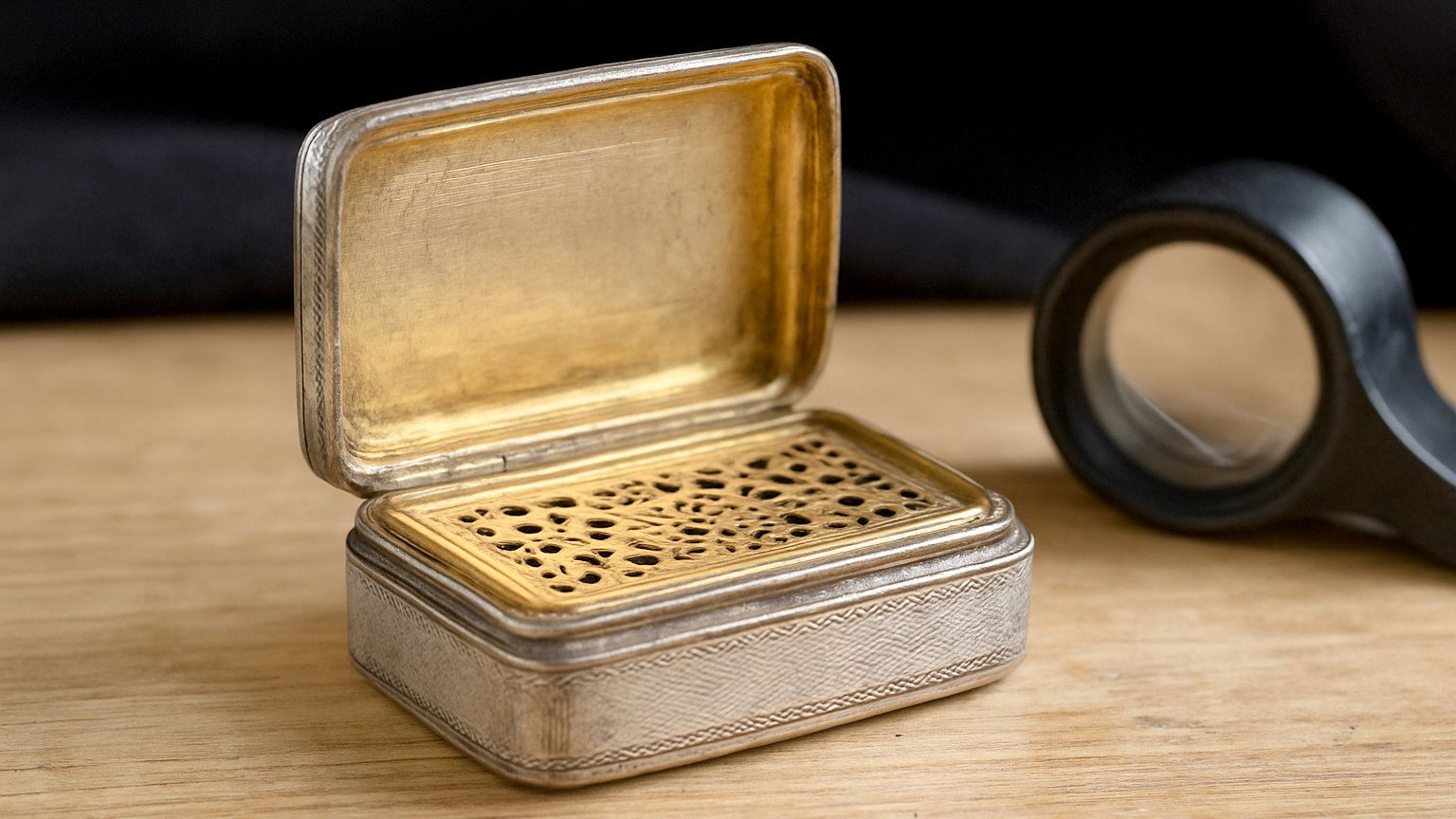
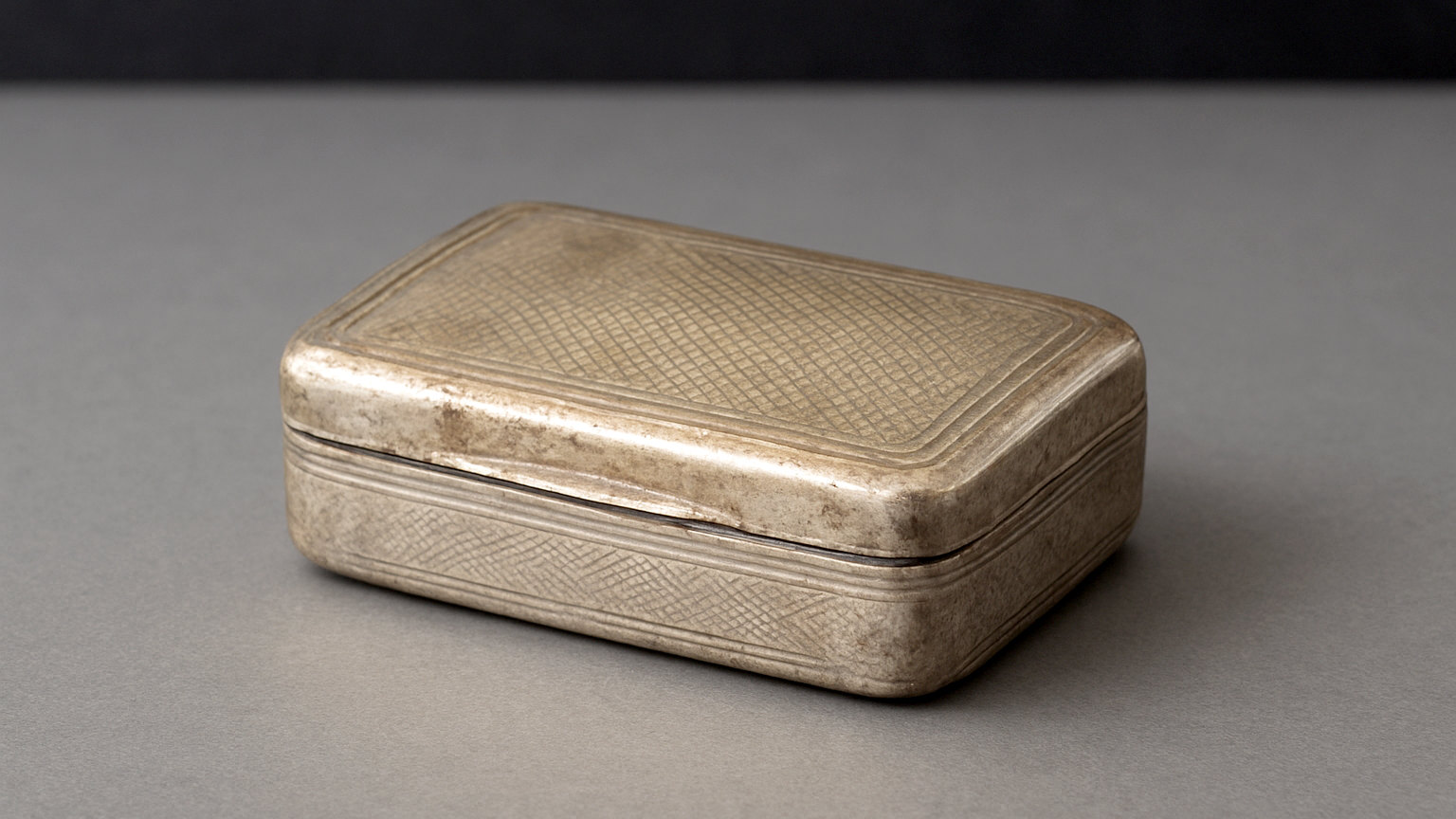
Photograph everything before it leaves. The whole object from several angles, the marks, the faults, and the item as packed if it is being posted.
That single practice settles more disputes than any other, supports insurance and damage claims, and costs nothing. Combined with a written description agreed by both parties, it covers almost every problem that arises in selling antiques.
What should you give the buyer?
Copies of the provenance, a written description and the receipt. Originals should follow once payment has cleared, since documentation travels with an object and adds to its value permanently.
Do not hand over original paperwork before you have been paid. Photograph or scan everything first, so you retain a record of what was provided.
How long should records be kept?
Indefinitely. Items resurface, questions arise years later, and disputes about description are settled by contemporaneous records rather than recollection.
A simple digital folder per item, holding the photographs, description and receipt, costs nothing and answers almost every question that can arise afterwards.