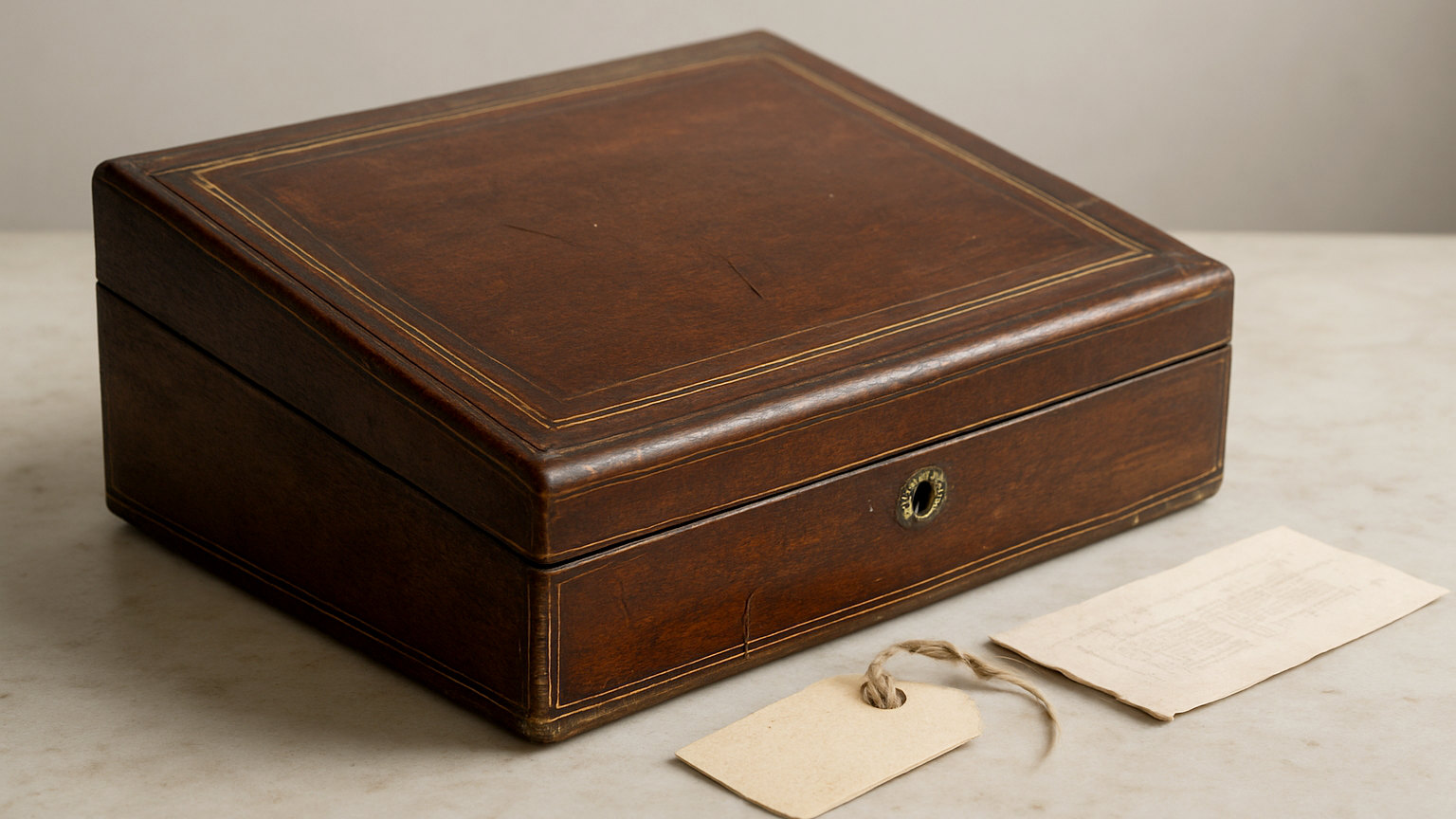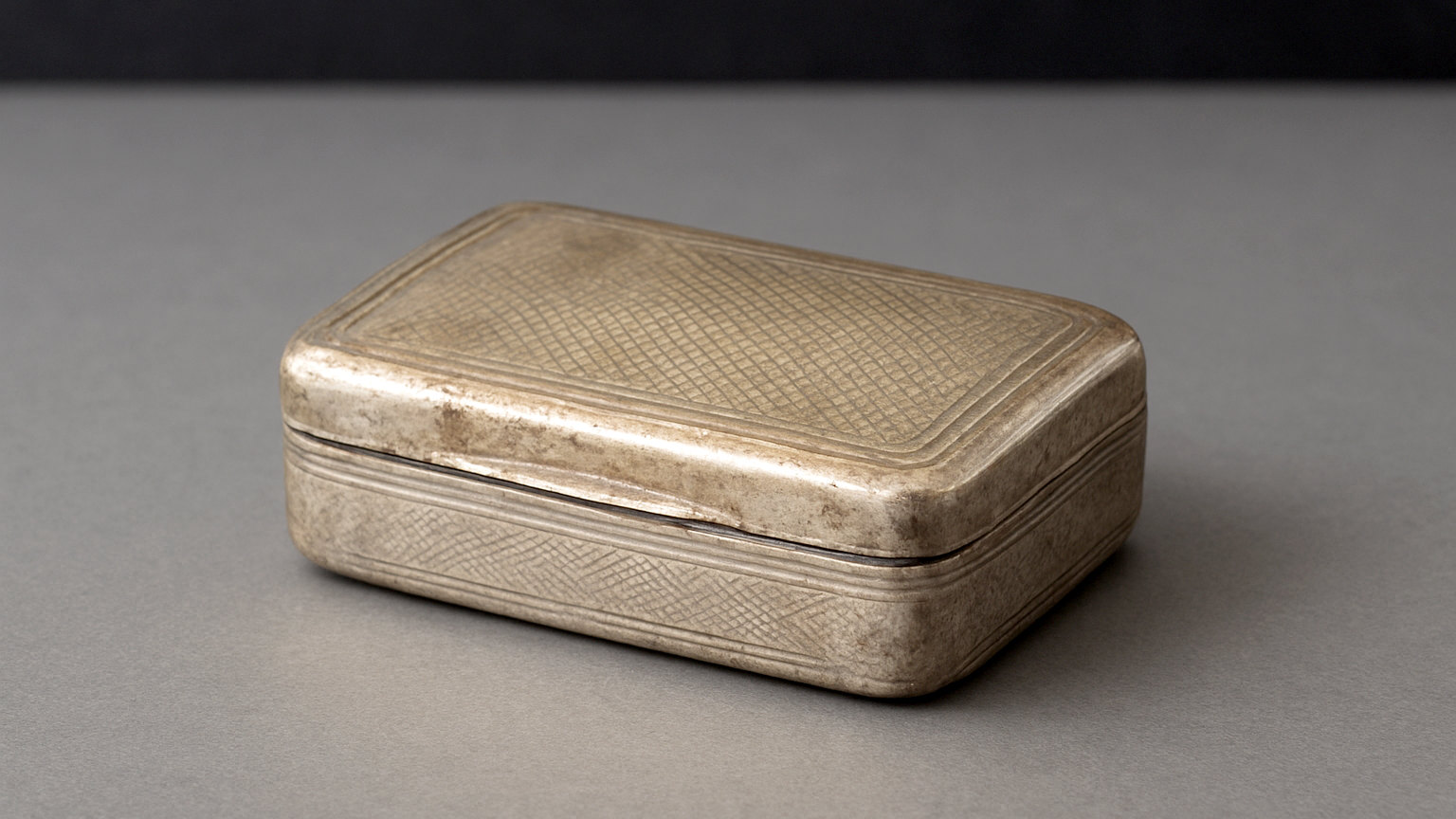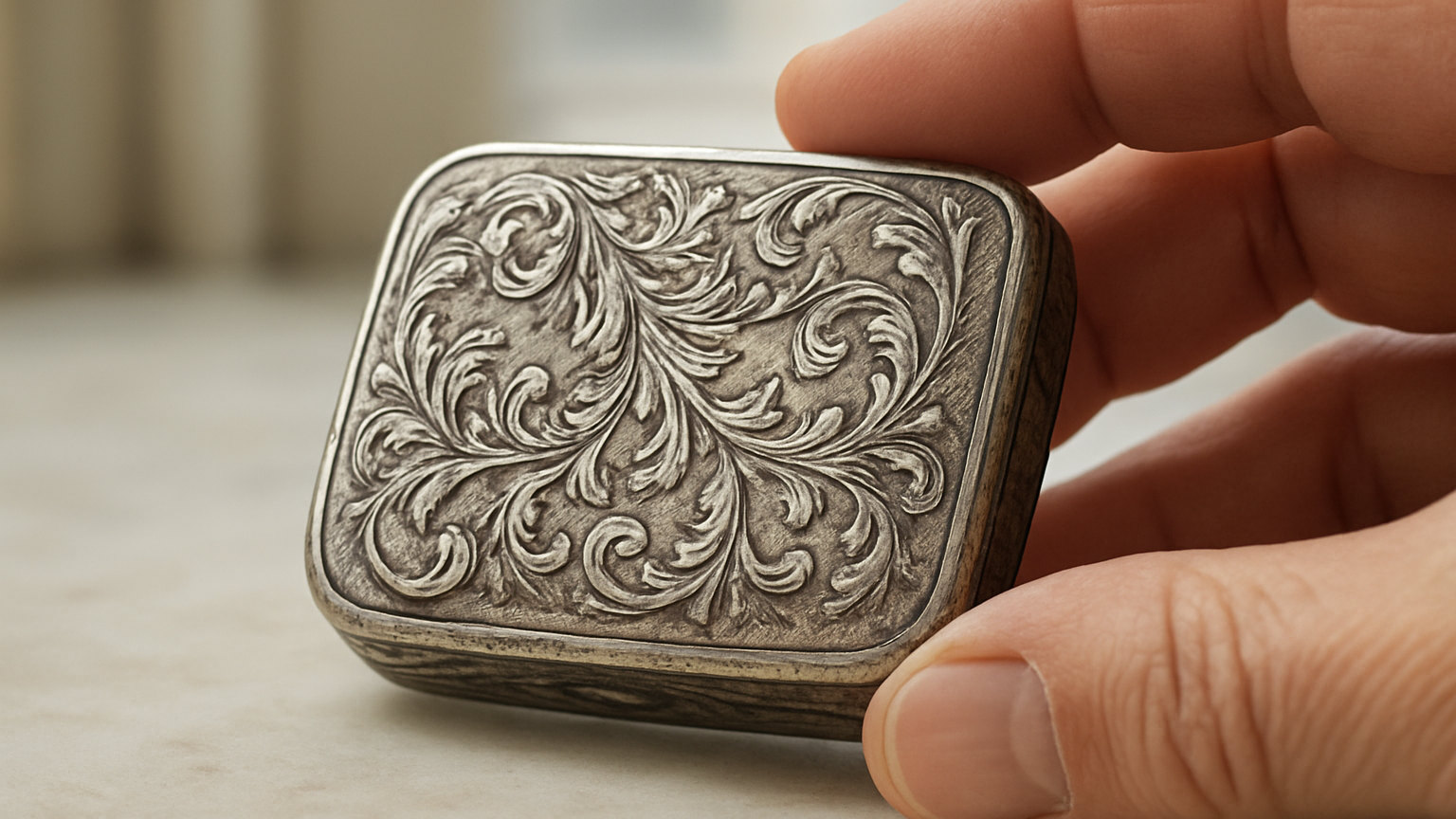
A buyer online cannot pick an object up, so your description has to do the work a conversation would normally do. The best listings read like an honest dealer answering questions at a fair, and the worst are either padded with adjectives or so thin that every serious buyer sends a message instead of bidding.
What should come first?
What the object actually is, in plain terms. Lead with the type of item, the material, the approximate date and the maker if you know it. A buyer scanning results decides in a second whether to open your listing.
Put the same information in the title, using the words a buyer would search rather than the words a cataloguer might choose. Someone looking for a jug searches for a jug, not for a lidded ewer, so use the ordinary term and mention the specialist one afterwards.
Which measurements matter?
All of them, and always in the text rather than only in a photograph. Height, width and depth for furniture. Height and diameter for ceramics and glass. Length for flatware and chains. Weight for silver and anything sold partly on material.
Scale is impossible to judge from images, and a missing dimension is the single most common reason buyers message rather than bid. For furniture, give the seat height of chairs and the knee clearance under tables, since those decide whether a piece will actually work in someone home.
How should condition be described?
Specifically and in full. List every chip, crack, repair, replacement, stain, loss and area of wear, and say where each one is. A buyer who reads a detailed condition report trusts everything else you have written.
Avoid vague reassurance. Phrases suggesting good condition for age tell a buyer nothing and read as evasion. Describe what is there and let them judge. Undisclosed damage produces returns, disputes and poor feedback, all of which cost far more than the damage would have.
What claims should you avoid?
Any attribution you cannot support. Stating that a piece is by a named maker when you are inferring it from a style is a claim you may have to defend, and on some platforms it creates real liability.
Describe what you can see instead. Saying a piece carries a particular mark is a statement of fact. Saying it is in the style of a maker is honest. Saying it is by that maker without evidence is a different thing entirely. The same applies to age: bearing a date is not the same as dated.
How much detail is too much?
Long paragraphs of history about a factory rarely help, because buyers searching for that factory already know it. What they do not know is what is wrong with your particular example.
Spend your words on the object in front of you rather than on background. A short paragraph identifying the piece, a full list of measurements, a thorough condition report and clear terms for postage and returns is a better listing than five hundred words of context.
What should the terms cover?
Postage cost and method, whether the item is insured in transit, how it will be packed, and what happens if it arrives damaged. For furniture, state plainly whether collection is required and from roughly where.
Set out your returns position clearly and honestly, and be aware that many platforms grant buyers rights regardless of what a listing says. Fragile items should be described as posted at some risk only if that is actually permitted, and adequate packing is your responsibility either way.
What should you do if you are unsure what something is?
Say so. Describing an item as unidentified, listing the marks exactly as they read and inviting knowledgeable buyers to draw their own conclusions is entirely respectable and often produces strong bidding.
Collectors enjoy identifying things and will pay for the chance. Guessing wrongly at an attribution, by contrast, either deters the people who know better or produces a dispute when the buyer realises. Honest uncertainty sells better than confident error.