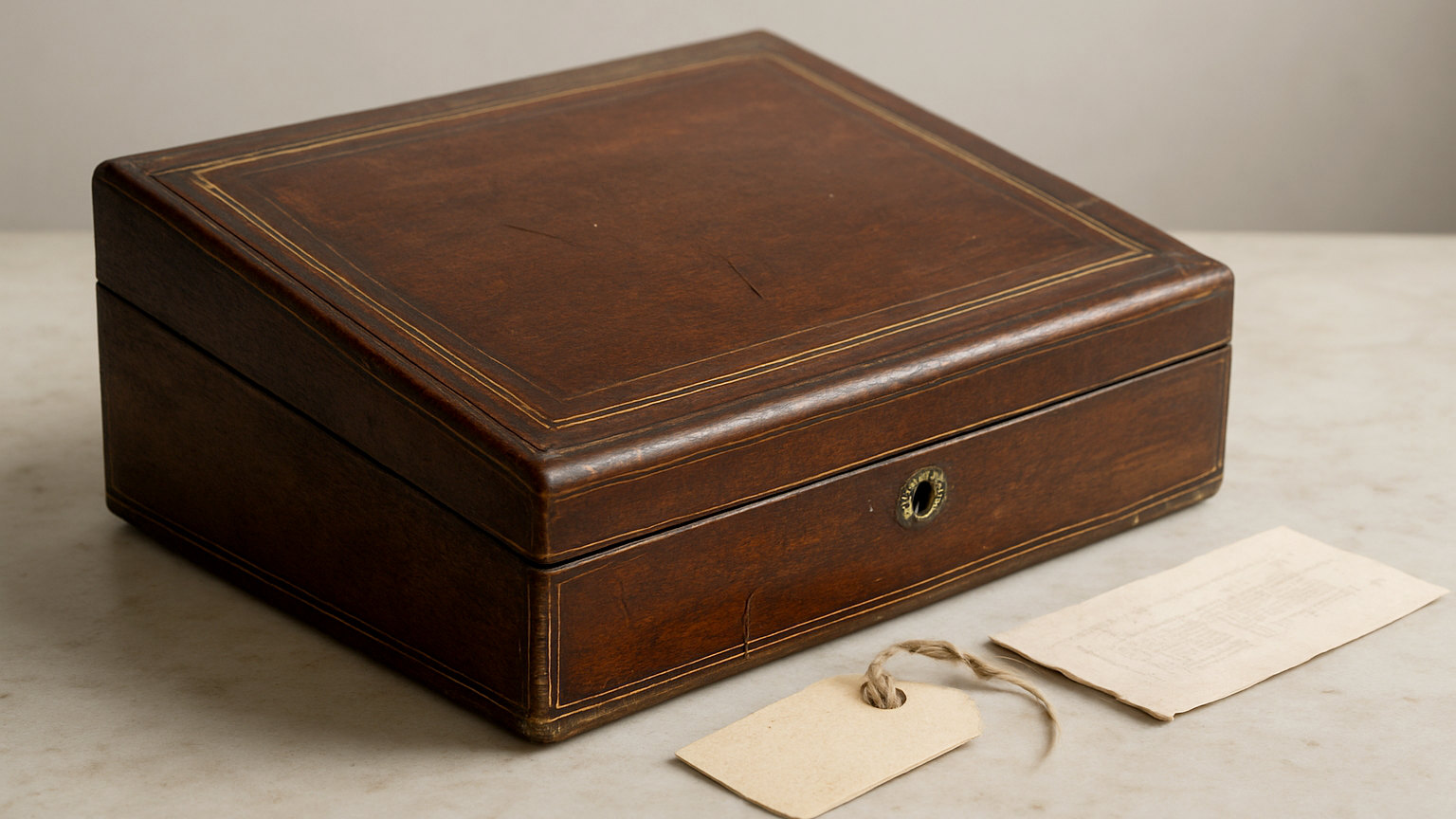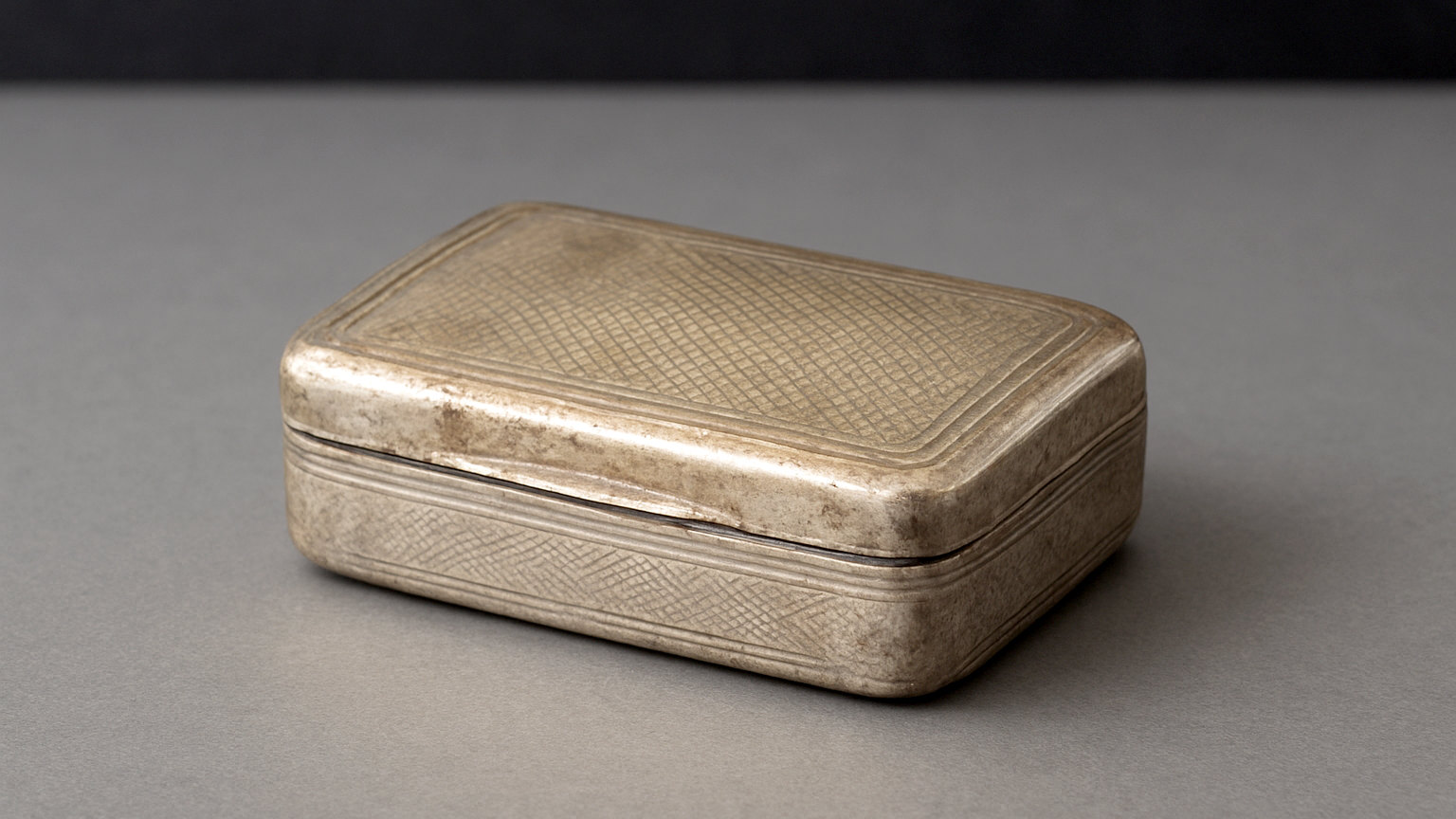
This is the decision most sellers face and most get wrong by comparing the wrong numbers. A dealer offer is a net figure you receive today. An auction estimate is a gross figure that may or may not be achieved, from which fees are deducted, some months later. Comparing one directly with the other guarantees a poor decision.
What does a dealer actually offer?
A price that leaves them a working margin. They must sell the piece on at a profit, may hold it for a year or more, and carry the risk that it does not sell at all or sells for less than they hoped.
Expect an offer well below the eventual retail figure. That is not sharp practice, it is how the business necessarily works. What you are buying with that discount is certainty, speed and the removal of every subsequent risk and cost.
What does an auction really pay?
Considerably less than the hammer price. Sellers commission comes off, and on top of that there may be lotting fees, photography, catalogue illustration, insurance and transport.
Work out the net rather than comparing the estimate to the dealer offer. A hammer figure that sounds substantially better than a dealer offer frequently is not once every deduction is applied, particularly on lower value items where fixed charges consume a larger share.
How should you compare the two properly?
Reduce both to a net figure in your hand and a date. Take the auction low estimate, deduct commission and all charges, and note that money arrives weeks after a sale that may itself be months away.
Then set that against the dealer offer, available immediately, with no risk of the lot going unsold and no charges if it does. Where the two net figures are close, the dealer offer is usually the better decision because it carries no uncertainty.
When does auction clearly win?
When competition is likely. If an object has genuine collector demand, if its value is uncertain enough that the room should decide, or if it is unusual enough that a specialist sale would reach people who care about it.
Auction also wins when you have no idea what something is worth, because the market will tell you. A dealer buying an unidentified item prices in that uncertainty, which means you carry the cost of not knowing.
When is a dealer the better route?
For ordinary items where fees would consume the difference, for anything large and awkward where transport and storage costs are real, and whenever certainty matters more than maximising the figure.
Dealers are also the better answer for quantity. Clearing a house through a dealer who takes everything is far simpler than sorting, transporting and consigning lot by lot, and for the bulk of ordinary contents the difference in proceeds is small.
How do you get a fair dealer offer?
Get several. Approach two or three dealers who specialise in that category rather than one general shop, and be prepared to say no. Offers vary considerably because dealers have different customers and different stock needs.
Do some research first so you know roughly what completed sales show, and be honest about condition. A dealer who finds an undisclosed fault revises the offer downwards and trusts you less. Never accept an offer from someone who approached you unsolicited without checking it against others.
Is there a third option?
Selling privately, which avoids commission entirely and suits large furniture that buyers collect. It takes your time and effort and requires normal precautions about payment and meeting strangers.
Online marketplaces sit between the two, reaching a national audience at moderate cost for small portable items. The general principle holds throughout: match the route to the object rather than choosing on convenience, and work in net figures rather than headline ones.
What should you never do when comparing?
Accept an unsolicited offer without checking it, and let anyone take an item away for assessment without a signed receipt describing it in detail.
Also avoid cleaning, polishing or repairing anything before either route, since all three reduce value more often than they add to it. Establish what the object is first, because the identification changes which venue makes sense far more than any negotiation over percentages will.