The story that antiques have collapsed is only half true. Large parts of the market did fall heavily, but the money did not leave collecting altogether. It moved, and it moved in a direction that becomes obvious once you look at what the risers have in common.
What has risen most?
Mid twentieth century furniture and design, studio ceramics, vintage wristwatches, early technology and scientific instruments, quality hand tools, and original printed material of almost every kind.
Alongside these, anything with strong graphic appeal has done well, including advertising material, posters, packaging and shop display items. Vintage clothing and textiles have risen. So has anything connected to specific industries, sports or places where a committed group of enthusiasts collects.
What do the risers have in common?
Three things. They are mostly small, which matters enormously when buyers live in smaller homes than their grandparents did. They were used and discarded rather than displayed and preserved, so survival rates are low. And they connect to a younger collector base with its own reference points.
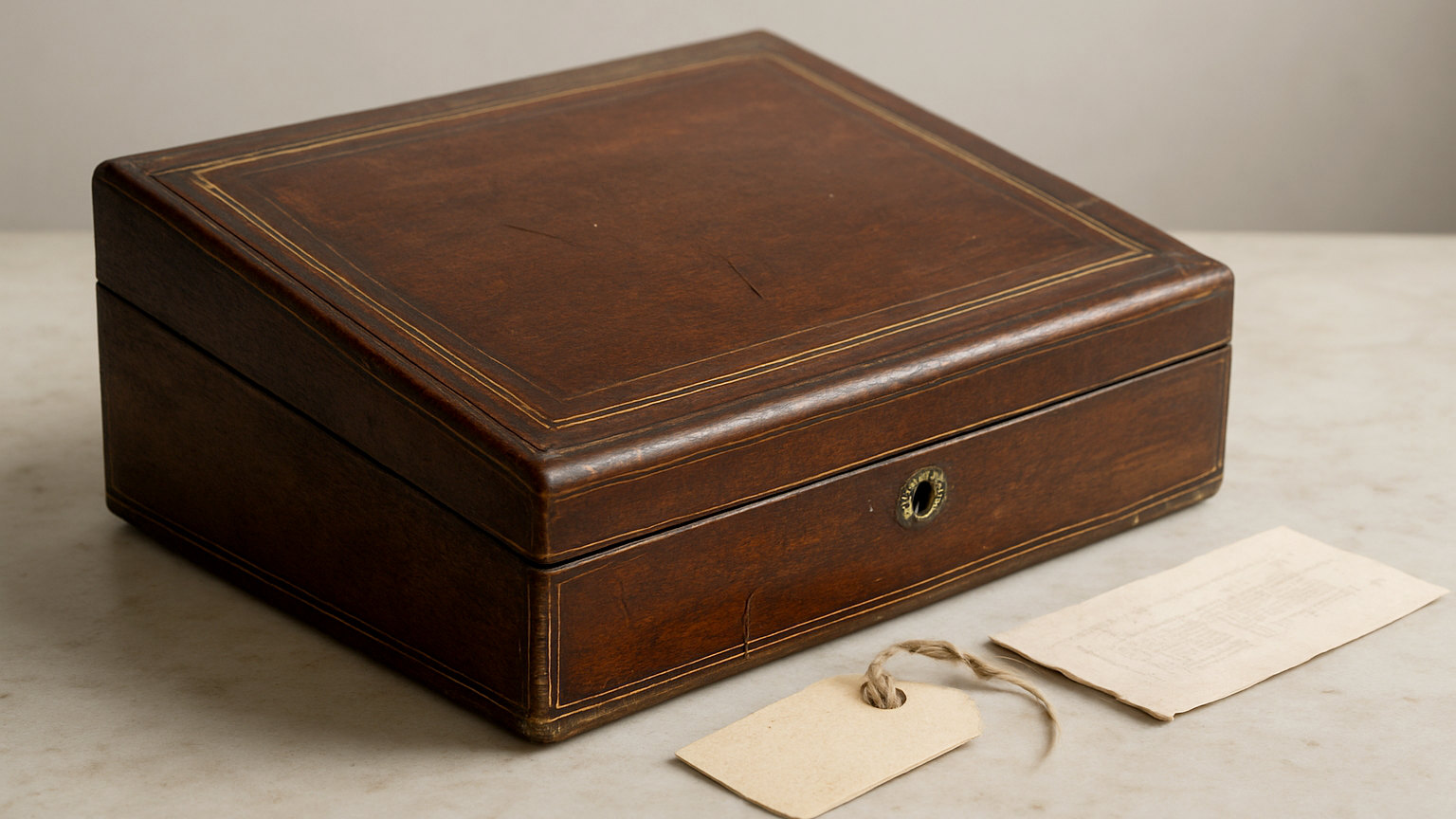
The categories that fell fail all three tests. A twelve seat dining table is large, it was carefully preserved so plenty survive, and it speaks to a way of living that has largely gone. Understanding that pattern is more useful than memorising a list, because it lets you assess a category nobody has written about.
Why has original packaging risen so sharply?
Because almost none survived. A box was wrapping and went in the bin the same day, while the object inside was kept. Survival rates for packaging are a small fraction of those for the contents.
Collectors want complete examples, complete means boxed, and boxed examples are genuinely scarce. The box also confirms exactly which variation an item is, since manufacturers changed details while the catalogue number stayed on the packaging. In some categories the box is now worth more than what came in it.
What is driving interest in tools and instruments?
Quality that is no longer available at any sensible price, combined with a strong aesthetic. Hand planes, measuring instruments, microscopes, drawing sets and workshop equipment were made to standards that would be extremely expensive to reproduce.
They also appeal to people who use them rather than only display them, which broadens the buying audience considerably. A category with both collectors and users tends to hold value better than one supported by collectors alone.
Has anything fallen and then recovered?
Some categories have found a floor after heavy falls, particularly where the objects are genuinely useful. Solid timber furniture of practical size has stabilised, because at current prices it competes directly with new furniture and wins on quality.
Recovery is not the same as a return to former levels, and there is little sign of formal dining furniture or elaborate display ceramics regaining what they lost. Buying in a fallen category because it must come back is a hope rather than a strategy.
Does this make antiques a good investment?
Generally not, and the recent history is the reason. Categories that looked entirely safe fell heavily, and very few people predicted correctly which would go up.
The costs work against you too. Buying at retail and selling at auction means losing a dealer margin and a saleroom commission before any change in value registers. Buy what you want to live with, at a price you are comfortable paying, and treat appreciation as a bonus rather than a plan.
How do you spot a category before it rises?
Look for the pattern rather than the object. Ask whether the items were used and thrown away, whether they are small enough for a modern home, whether there is an enthusiast community forming, and whether the quality is genuinely better than what is made now.
Then look at whether prices for the best examples have started separating from the ordinary ones, which is usually the first sign of a category being taken seriously. That divergence tends to appear well before general prices move.