Most auction houses run free valuation days, either at their own premises or at hotels and village halls around their region. They are genuinely useful, they cost nothing, and they are also a recruitment exercise for consignments. Understanding both halves of that lets you get the most out of one.
What actually happens on the day?
You queue briefly, then sit with a specialist who examines your item, asks a few questions about where it came from, and gives you a verbal opinion on what it is and roughly what it might make at auction.
The whole thing takes a few minutes per item. There is no written report, no fee, and no obligation to sell. If the specialist thinks the piece would do well in one of their sales, they will say so and explain how consignment works.
What should you bring?
The item itself wherever possible, since handling it is what allows a proper opinion. For furniture and anything too large, bring good photographs including the back, the underside and any marks, plus measurements written down.
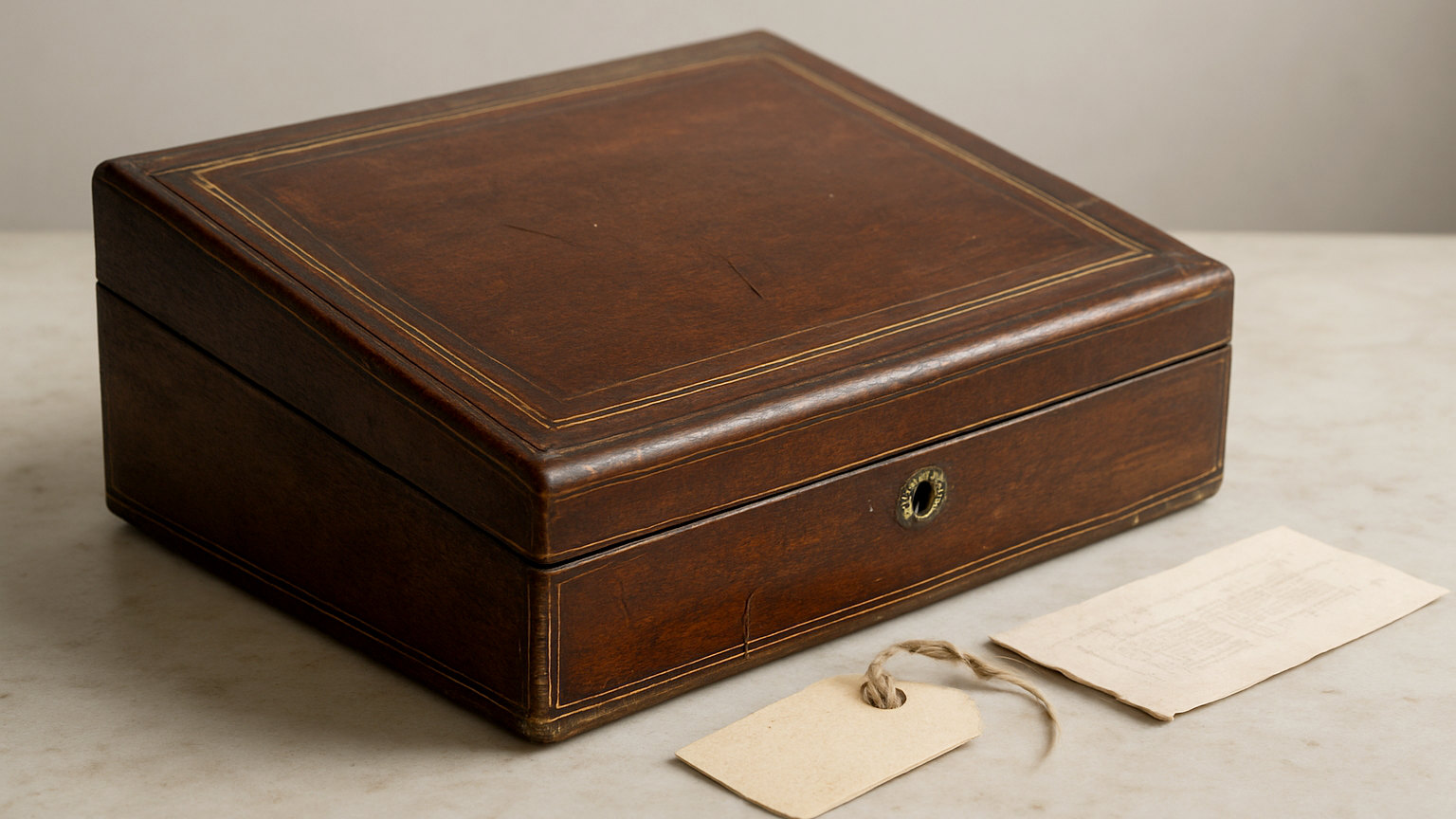
Bring any paperwork you have: receipts, old valuations, letters, photographs showing the piece in a house, auction labels or exhibition tags. Provenance adds value and specialists take it seriously. Also bring anything that belongs with the item, such as a lid, a key, a fitted case or original packaging.
How many items can you take?
Policies vary, and most houses limit numbers at busy events so everyone gets seen. Check before travelling, and if you have a large quantity ask about a home visit instead, which many houses will arrange without charge for a worthwhile collection.
If you must choose, take the pieces you know least about rather than the ones you assume are best. The purpose is to find out what you have, and the surprises are usually in the things nobody paid attention to.
What kind of figure will you be given?
An auction estimate, meaning the range the specialist expects the item to fetch under the hammer at their saleroom. It is not an insurance figure and not a retail figure, both of which are considerably higher.
Remember that the hammer price is not what you would receive. Commission and various fees come off before anything reaches you, so ask what the net would be rather than only what the estimate is. Ask also how confident they are, since some categories are far more predictable than others.
Is the valuation independent?
Not entirely, and this is worth holding in mind rather than being cynical about. The house providing the opinion would also like to sell the item and earn commission on it, which is a different position from a paid independent valuer with no interest in the outcome.
That does not make the figure dishonest. Specialists see enormous volume and their opinions are usually sound. It does mean that for insurance, probate or dividing an estate you need a written valuation from someone charging a fee, since a free verbal figure from an interested party will not satisfy an insurer or a tax authority.
How should you prepare the item?
Do nothing to it. Resist cleaning, polishing, repairing or reframing, all of which reduce value more often than they add to it. A specialist would far rather see an object exactly as it has survived.
Bring it as found, dust included. If something is broken, bring the broken parts rather than discarding them, since a complete but damaged item is worth considerably more than an incomplete one.
What questions are worth asking?
Ask what the piece is and how they know, because the reasoning is more useful to you than the figure. Ask which sale it would go into and when, since a specialist sale may reach a better audience than a general one.
Ask about all costs including commission, lotting, photography and insurance, and ask what happens if the item does not sell. Finally, ask whether they would recommend a different route entirely, because a reputable specialist will tell you when an item is better suited elsewhere.