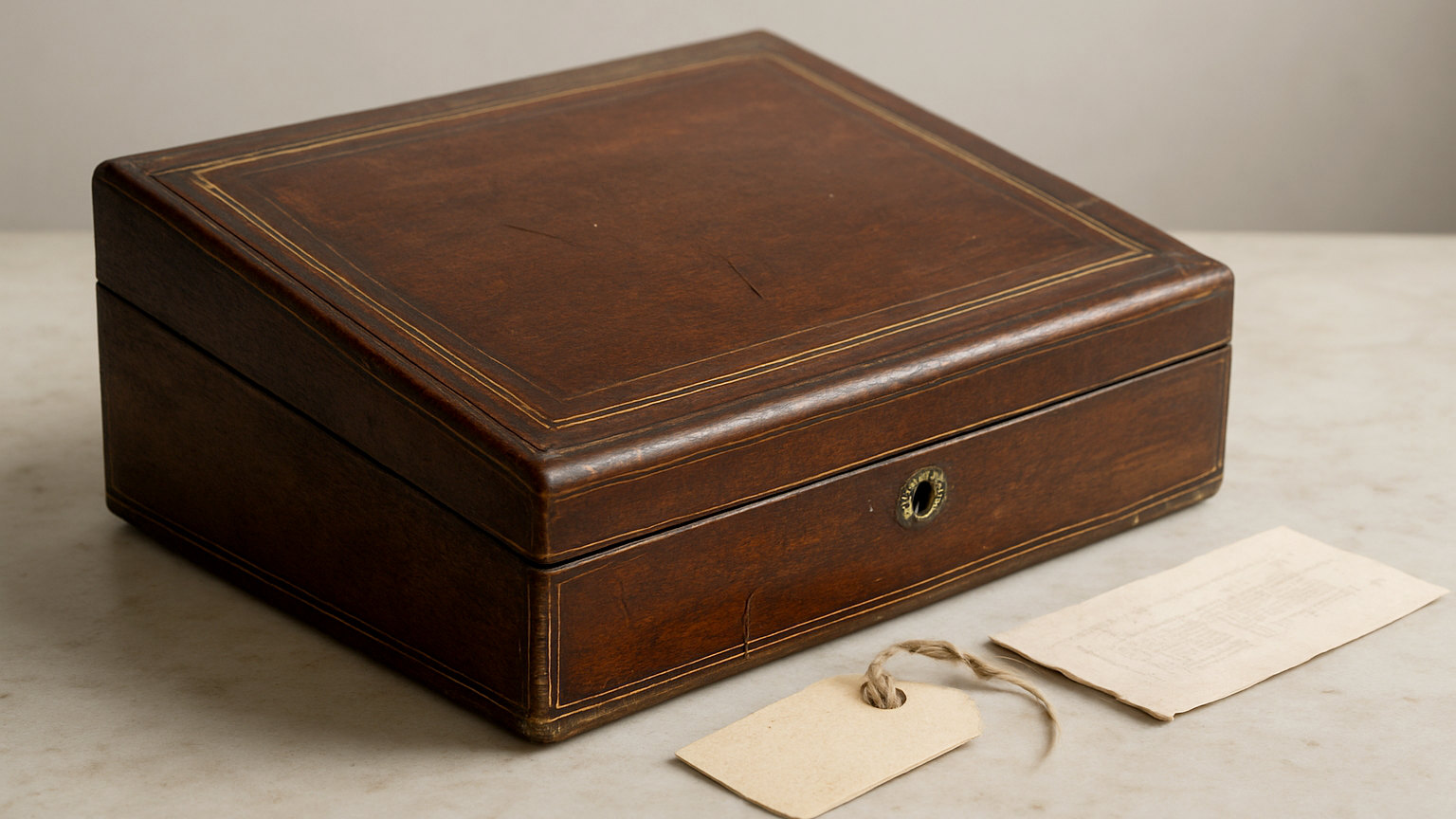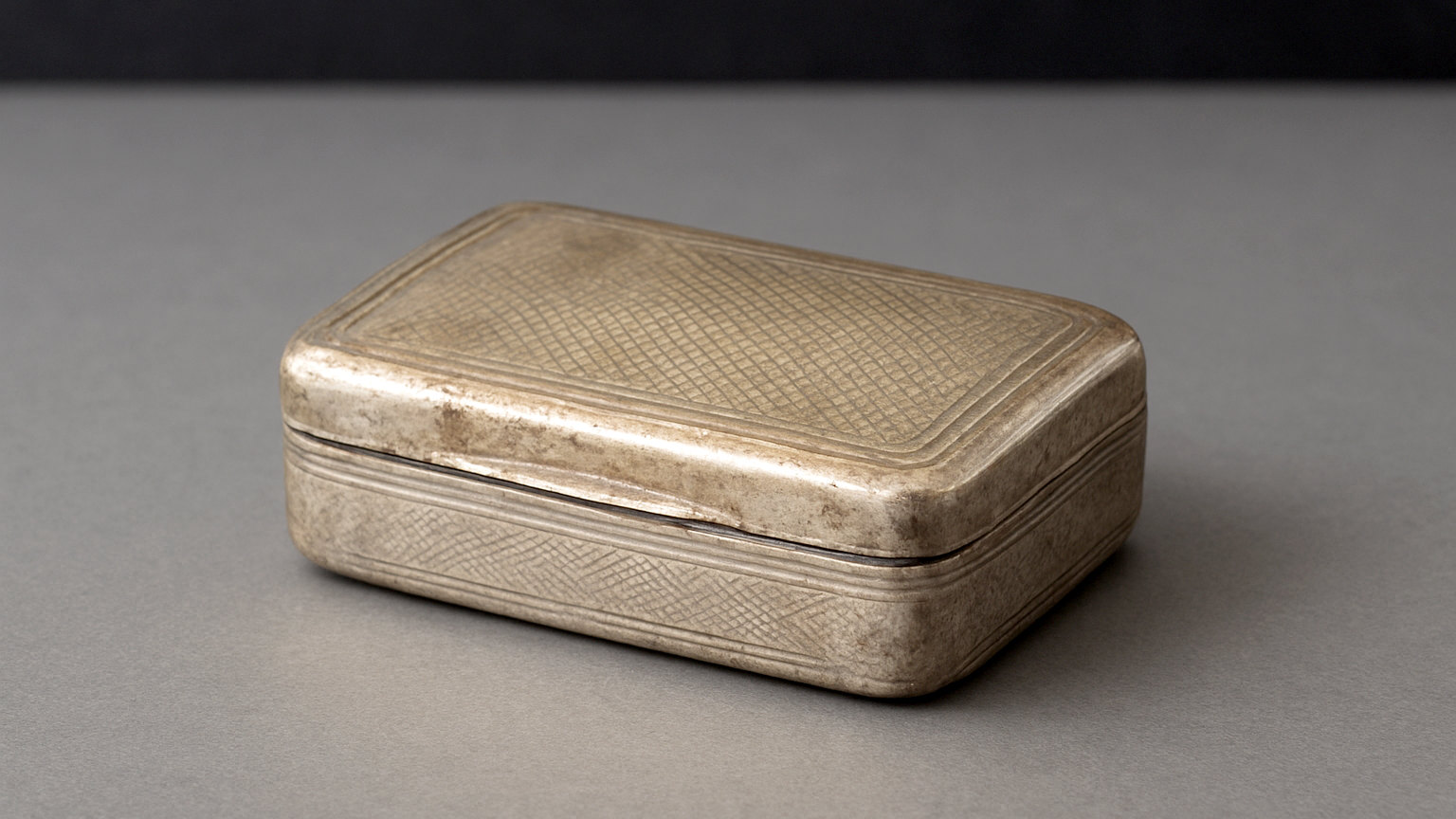
These two words are used interchangeably by almost everybody and mean genuinely different things. Confusing them causes real problems, because an insurer, an executor and a court all require one of them and will not accept the other. The distinction is worth ten minutes of your attention.
What is an auction estimate?
A prediction of what a specific lot will make under the hammer in a specific sale, given by the saleroom offering to sell it. It is a working forecast rather than a statement of worth.
It is also pitched with an eye on generating competition, so the low figure is frequently set deliberately below expectation because a lot that looks like a bargain attracts more bidders. Treat it as informed guidance about one sale rather than as a valuation.
What is a valuation?
A professional opinion of what an item is worth on a clearly stated basis of value, for a clearly stated purpose, given by someone who charges a fee and has no interest in acquiring it.
The basis is the crucial element. Replacement value for insurance, open market value for probate, and fair value for a division of assets all produce different figures on the same object. A document that does not state which basis it uses is not a valuation and will not serve any of those purposes.
Why do the figures differ so much?
Because they answer different questions. Replacement value is what you would pay a retail dealer to buy an equivalent tomorrow, including their overheads and margin, so it is the highest figure.
Open market value is what the item would fetch in an ordinary sale, which usually means auction, and it is considerably lower. An auction estimate is lower again in practice once fees are deducted. On one object these can differ by a factor of several, and none of them is wrong.
Which do you actually need?
For curiosity or for deciding whether to sell, an estimate is entirely adequate and costs nothing. For selling, gather two or three estimates from different houses and compare them.
For insurance, probate, divorce, dividing an estate between beneficiaries or any situation with legal consequences, you need a formal written valuation. These are the circumstances where somebody other than you will scrutinise the figure and where a free verbal opinion from an interested party will not do.
What must a written valuation contain?
The valuer name and qualifications, the date, the stated purpose, and an explicit statement of the basis of value. Then each item described in enough detail to identify it beyond doubt, with dimensions, materials, marks and an honest account of condition and restoration.
Photographs of anything significant should be included, since they serve for insurance claims and for identification if an item is stolen. A list with a single total and no descriptions is not a valuation whatever it is called.
Is an estimate ever independent?
Not in the sense that matters. The house providing it would like to sell the item and earn commission, which is a different position from a valuer paid for the opinion alone.
That does not make estimates dishonest, and specialists see enormous volume so their judgement is usually sound. It does mean the figure serves a purpose beyond informing you, and that you should not present one to an insurer as though it were a valuation.
How should you ask for what you need?
Say the purpose plainly at the outset, because it determines everything that follows. Asking what something is worth invites an unhelpful answer; asking for a probate valuation of the contents at the date of death does not.
Agree the fee basis in writing before work begins, preferably as a fixed fee or hourly rate rather than a percentage of the value assessed, since a percentage creates an obvious incentive to value high. Ask what the total is likely to be and what it covers.