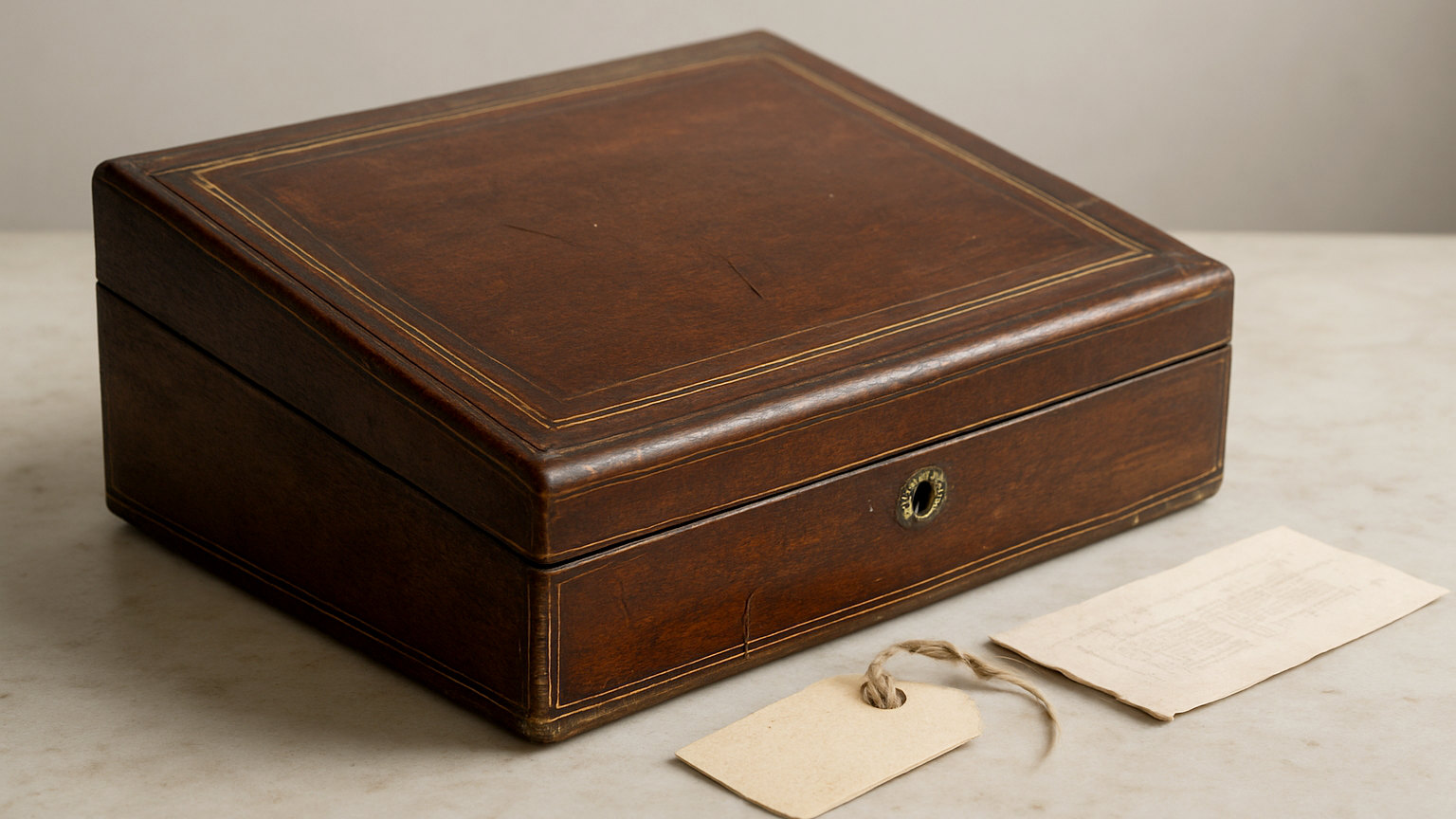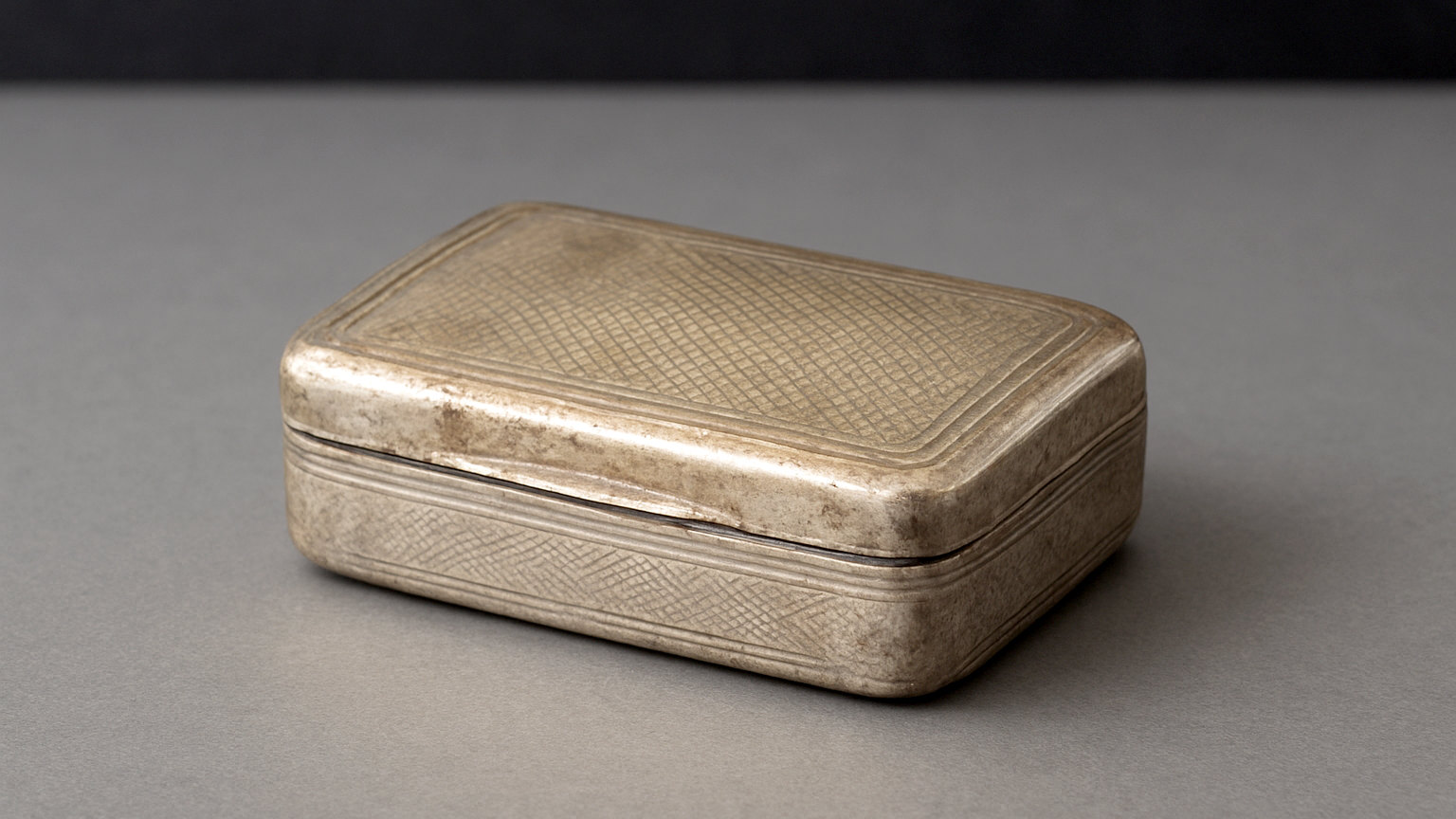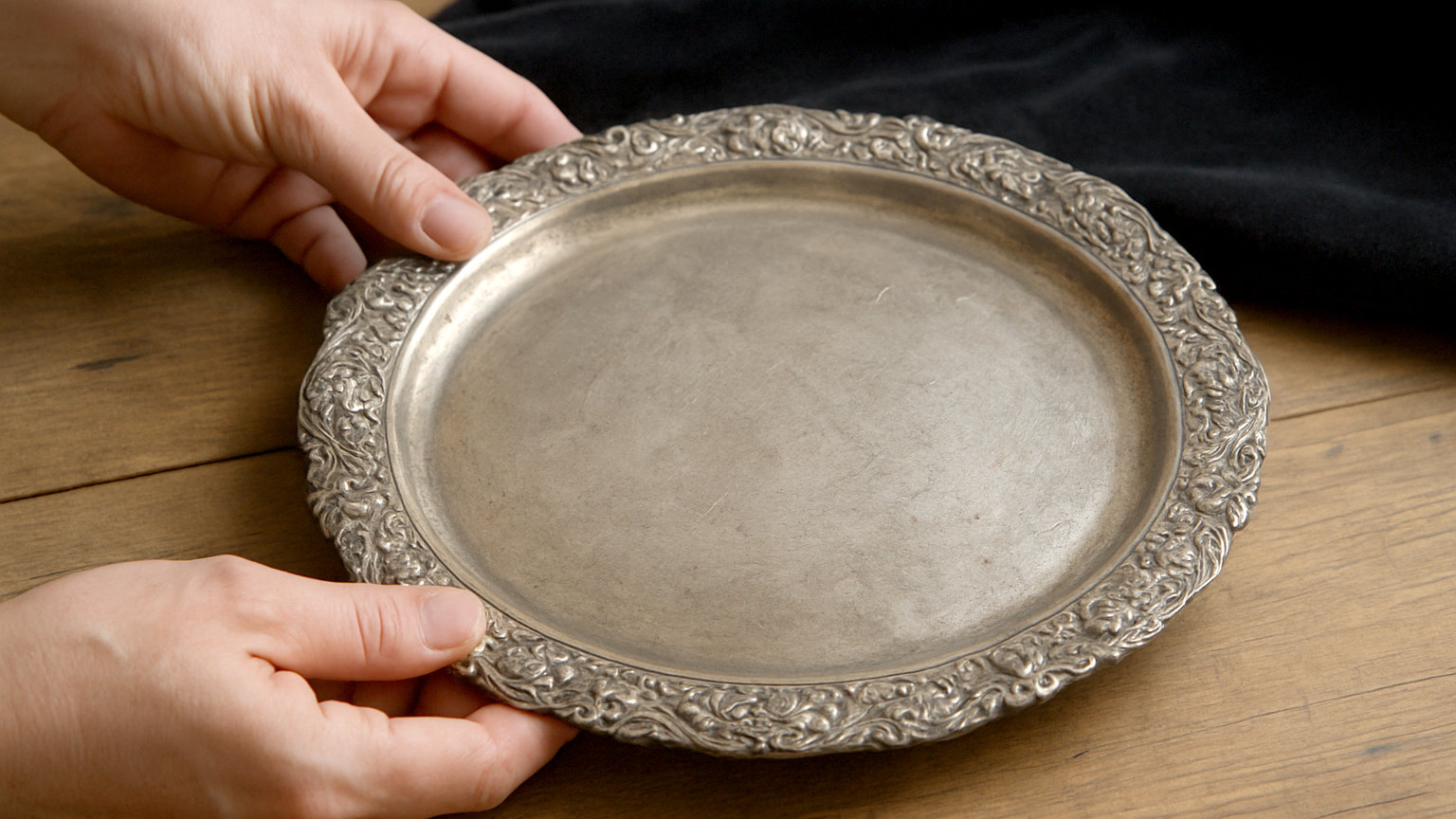
Dividing household contents between parties who no longer agree about much is one of the situations where valuation genuinely matters, and where the process is as important as the figure. Get the basis and the instruction right and it usually settles quietly. Get them wrong and the contents become a proxy for everything else.
Why does the basis of value matter so much?
Because different bases produce very different totals on the same objects, and each party will naturally prefer the one that suits their position.
Replacement value is what it would cost to buy equivalents from a dealer, and is the highest figure. Open market value is what the items would actually fetch in a sale, and is much lower. Agreeing which applies before anybody produces a number removes the largest source of argument.
Which basis is usually appropriate?
Open market value in most cases, because it reflects what the assets are genuinely worth if realised, which is the question being answered when assets are divided.
That figure is frequently much lower than either party expects, particularly for furniture and general household goods, and it is worth both parties understanding that in advance. The disappointment is easier to absorb before positions have hardened.
Who should be instructed?
An independent valuer charging a fee, with no interest in acquiring anything. Preferably jointly instructed by both parties, which is the arrangement that produces least argument.
A joint instruction means both sides have agreed the person and the terms in advance, so neither can later claim the valuer favoured the other. Where separate valuers are instructed, expect two different figures and a negotiation about the gap.
What should the instruction say?
The purpose, the basis of value, the date at which the valuation is to be made, and exactly which items are included. Put it in writing and have both parties agree it.
Specify whether the valuer should list items individually or in groups, and whether photographs are required. Ambiguity in the instruction produces a document that neither party can use, which wastes the fee and the time.
How should the contents be recorded?
Photographed room by room before anything is moved, ideally by both parties or by the valuer. This is the single most useful step and it prevents most later disputes.
Once items start leaving, arguments about what was there become impossible to resolve. Do not remove anything, including personal keepsakes, before the record is made. Where items have already gone, list them and say so rather than pretending otherwise.
What about items with sentimental value?
They are valued the same way as anything else, since sentiment has no market value, and that frequently causes friction. A piece one party cares about deeply may be worth very little.
The practical solution is usually to separate the emotional allocation from the financial one: agree who receives which items first, then value what each party has taken and settle any imbalance in cash. That keeps the argument about money rather than about meaning.
What should you avoid?
Selling anything before the valuation is complete, cleaning or restoring items, and accepting an informal figure from a dealer who would like to buy. All three undermine the process.
Also avoid splitting pairs, sets and services to achieve a neat division, since that destroys real value. Sell the set complete and divide the proceeds instead, which produces more money for both parties than a tidy but expensive split.
What should the report contain?
The valuer name and qualifications, the date, the purpose, the stated basis of value, and each item described in enough detail to identify it beyond doubt with dimensions, marks and condition.
Photographs of anything significant should be included. A report that meets this standard can be relied on by both parties and by any adviser; one that lists items with a single total cannot, and will simply generate another round of argument.