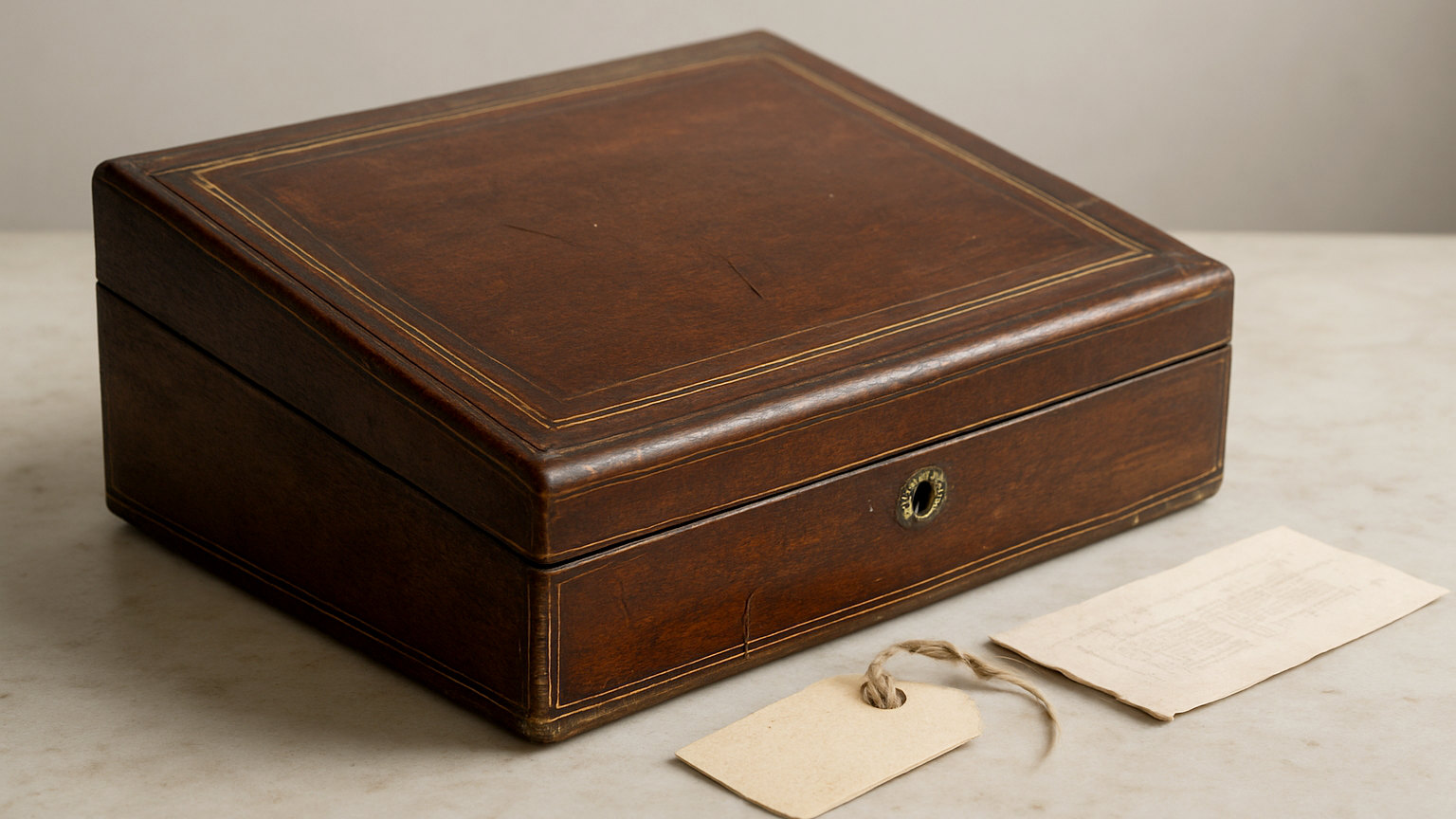
Handing an item to an auction house looks simple and involves a contract with terms that vary considerably between salerooms. The headline commission rate is only part of what you will pay, and the differences between houses in everything else frequently outweigh a percentage point or two on the main charge.
How do you choose a saleroom?
By where the buyers for your object actually are. A specialist house that runs dedicated sales in your category will reach collectors who compete with each other. A general saleroom clears ordinary household goods efficiently and cheaply.
Look at past results for comparable items at each house rather than at their marketing. Check how many similar lots they have sold, what those made, and how many went unsold. A house with a thin record in your category is unlikely to produce a strong result whatever it charges.
What charges should you ask about?
All of them, itemised, in writing. Sellers commission is the main one, usually a percentage of the hammer price and frequently negotiable on higher value items.
Then ask about lotting fees, photography, catalogue illustration, insurance while the item is in their care, transport, and any charge on unsold lots. Ask what happens if the lot fails to sell and whether storage charges begin. A house charging nothing on unsold lots is offering a genuinely better deal than a slightly lower commission with fees attached.
What should the agreement cover?
A description of each item, the estimate, the reserve, the sale it is entered into, the commission and every additional charge, and when payment will be made after the sale.
Get a signed receipt describing the items in detail before anything leaves your possession. Photograph everything yourself first. Read the section on insurance carefully, since cover while an item is with the saleroom may be limited and may not equal what you consider it worth.
How should the reserve be set?
In discussion with the specialist rather than imposed. It is normally set at or below the low estimate, and most houses will not accept one above it because that makes the estimate misleading.
Think of it as the figure below which you would genuinely rather keep the item. Setting it too high is the commonest reason good lots fail, and a failed lot costs you fees and makes the item look unwanted when it is offered again.
What should you provide with the item?
Everything that supports it. Receipts, old valuations, letters, photographs showing it in situ, exhibition labels and any research you have done. Documented provenance adds real money because it removes doubt for the buyer.
Include anything that belongs with the object: keys, lids, liners, fitted cases, original packaging, instruction leaflets and spare parts. A complete lot is worth substantially more than an incomplete one, and these things get separated easily.
What should you not do beforehand?
Clean, polish, repair or restore anything. All four reduce value more often than they add to it, and specialists would far rather see an object exactly as it has survived.
Do not split sets, pairs or services to spread them across sales, since completeness commands a premium that is lost the moment a group is broken up. And do not decide where to sell before establishing what the object actually is, because that is the decision that changes the result most.
When will you be paid?
Typically several weeks after the sale, once the buyer has paid and the settlement period has run. Ask for the specific timescale in writing and what happens if a buyer defaults.
Check the settlement statement carefully against the original agreement when it arrives, since it should itemise the hammer price achieved and every single deduction made against it. Query anything that does not match what you agreed rather than assuming it must be standard practice, because errors do occur and they are far easier to correct promptly.