Antique chairs are among the best value furniture available and among the most misjudged, because people apply collector criteria to a purchase that is really about daily use. A sound comfortable chair with a replaced leg is a better buy for a kitchen than a pristine one that nobody can sit in.
What should you prioritise?
Structural soundness first, comfort second, originality third. That order is the reverse of what a collector applies, and for furniture you intend to use it is the right way round.
A chair with honest repairs that is solid and comfortable will serve for decades. One that is entirely original but racks under load needs work before use, and that work should be priced into what you pay.
How do you test a chair properly?
Sit in it, lean back, and shift your weight around. That is the load the chair will actually take and it reveals more than any visual inspection.
Then grip the back with one hand and the seat with the other and try to rack it gently sideways. Movement or creaking indicates joints that have opened, which is ordinary and repairable but should be fixed before the chair goes into service.
Why does seat height matter so much?
Because it is the commonest reason a bought chair does not work. Period seat heights differ from modern expectations, and dining chairs in particular were frequently made lower than tables now assume.
Measure your table height and the clearance underneath, then measure the chair seat. Sit at your own table before committing where possible. A chair that is two inches too low is uncomfortable in a way that becomes obvious only after a full meal.
What about arms and width?
Check arm height against your table, since a carver with arms too high will not push in. Measure the overall width as well, because chairs need space between them.
Six chairs that individually fit may not fit together around a table of the size you have. Work out the total width required including gaps before buying a set, rather than discovering the problem after delivery.
Which repairs matter for use?
Loose joints, splits in seat rails, and any weakness where legs meet the frame. These are the failures that happen under load and they are what should be corrected before the chair is used.
Replaced legs, replaced rails and reupholstery matter to a collector and barely at all to a user. A well repaired chair is safe; an unrepaired one with original everything is not, and safety comes first when people are sitting on it.
What should you check on the upholstery?
The frame beneath, by lifting out a drop in seat if there is one. Look at the rails for splits radiating from tack holes, since a rail perforated by generations of reupholstery can be structurally weak.
Recovering is straightforward and not especially expensive on a drop in seat. On a fixed upholstered chair it costs considerably more, so establish the price before buying if the covering needs replacing.
Which chairs suit daily use best?
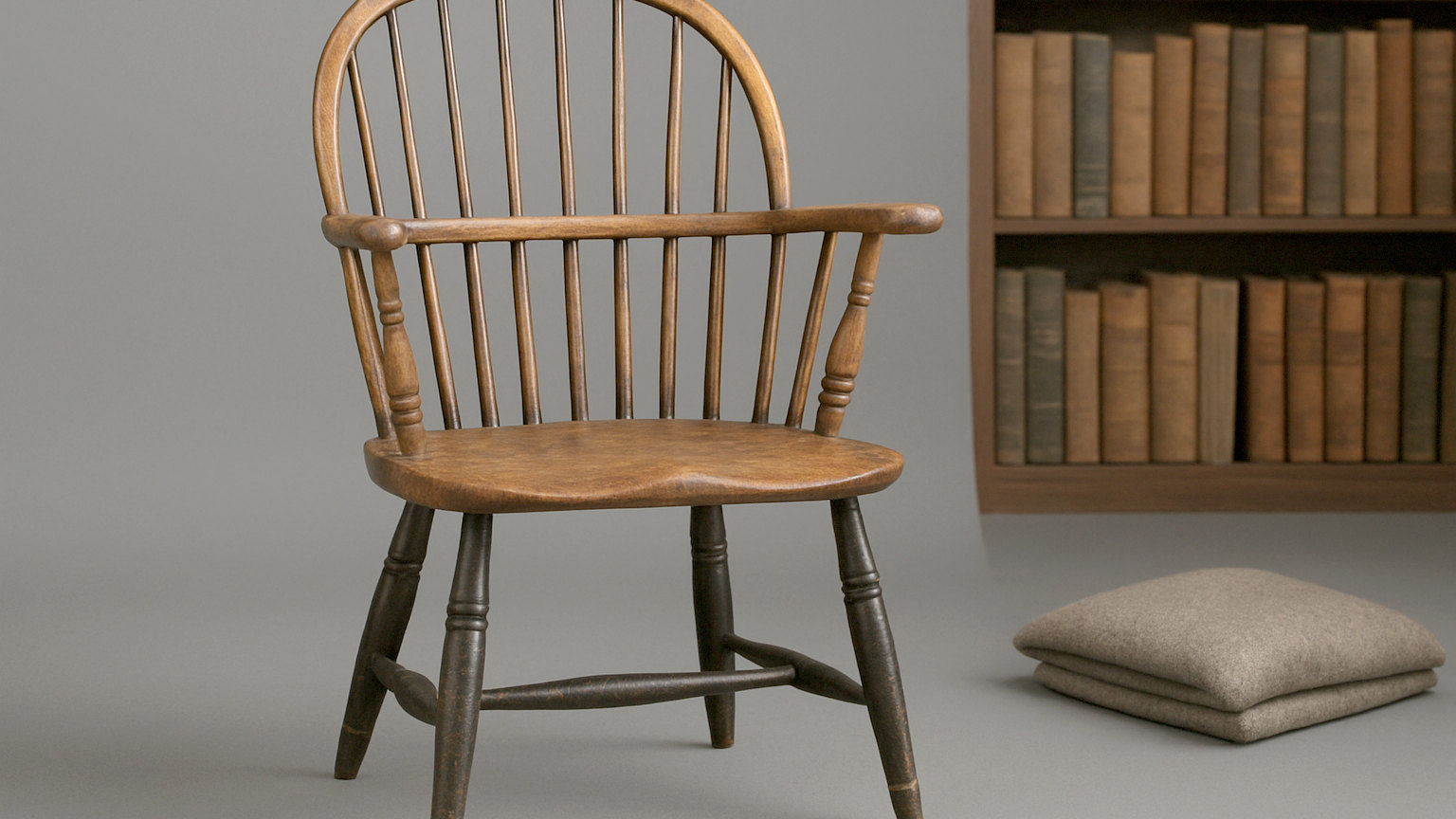
Country chairs above all. Windsor chairs, ladderbacks and plain dining chairs were built to be sat on constantly by people who worked, and they are stronger than most modern equivalents.
They are also cheap, since fashion has moved away from them entirely. A set of six sound period dining chairs frequently costs less than new ones of far poorer construction, which makes them one of the genuinely sensible purchases in this market.
What should you avoid buying to use?
Anything genuinely fine or fragile, anything with delicate inlay or gilding, and anything where the value rests on original surface you will inevitably wear away.
Using a valuable chair daily is not wrong, but it will change it, and the change is permanent. Buy the ordinary chair to use and leave the exceptional one for somebody who wants to preserve it.