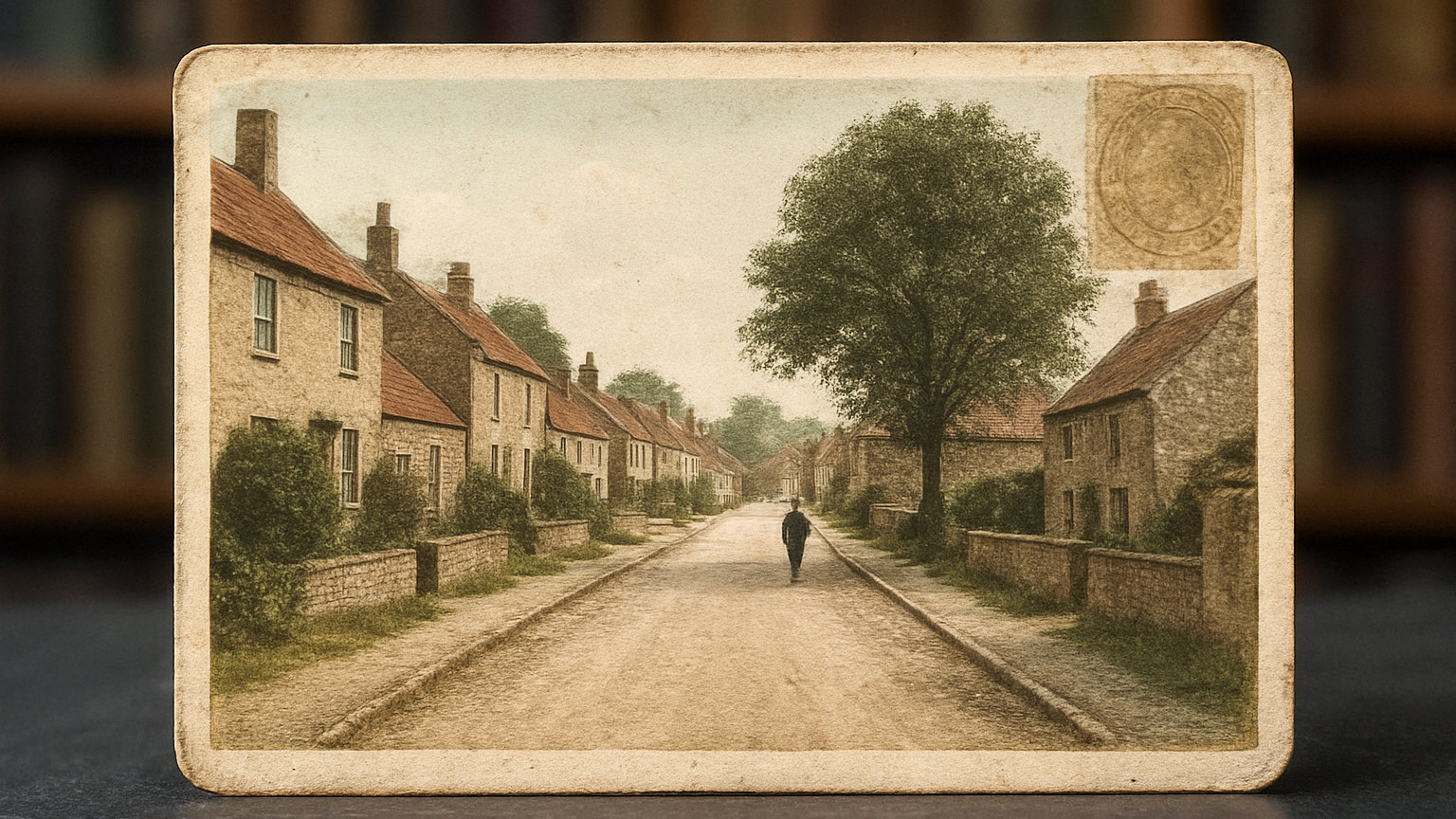
Postcards are among the cheapest antiques to start collecting and among the most misunderstood in terms of value. People assume age drives price, then discover that a card from a famous resort is worth pennies while an unremarkable street in a small village sells for a great deal. The subject is almost everything.
Why does subject matter more than age?
Because the buyers are usually collecting a place, a trade or a theme rather than postcards as such. Someone researching a village wants images of that village, and there may be only a handful in existence.
Famous beauty spots and major resorts were photographed constantly and printed in enormous numbers, so those cards survive in quantity and sell for very little. A small community that supported one photographer for a few years produced far fewer cards, and the people who want them have almost no alternatives.
What is a real photographic card?
A card printed directly onto photographic paper rather than reproduced by a printing press. These were often produced locally in small numbers, sometimes only a few dozen from one negative.
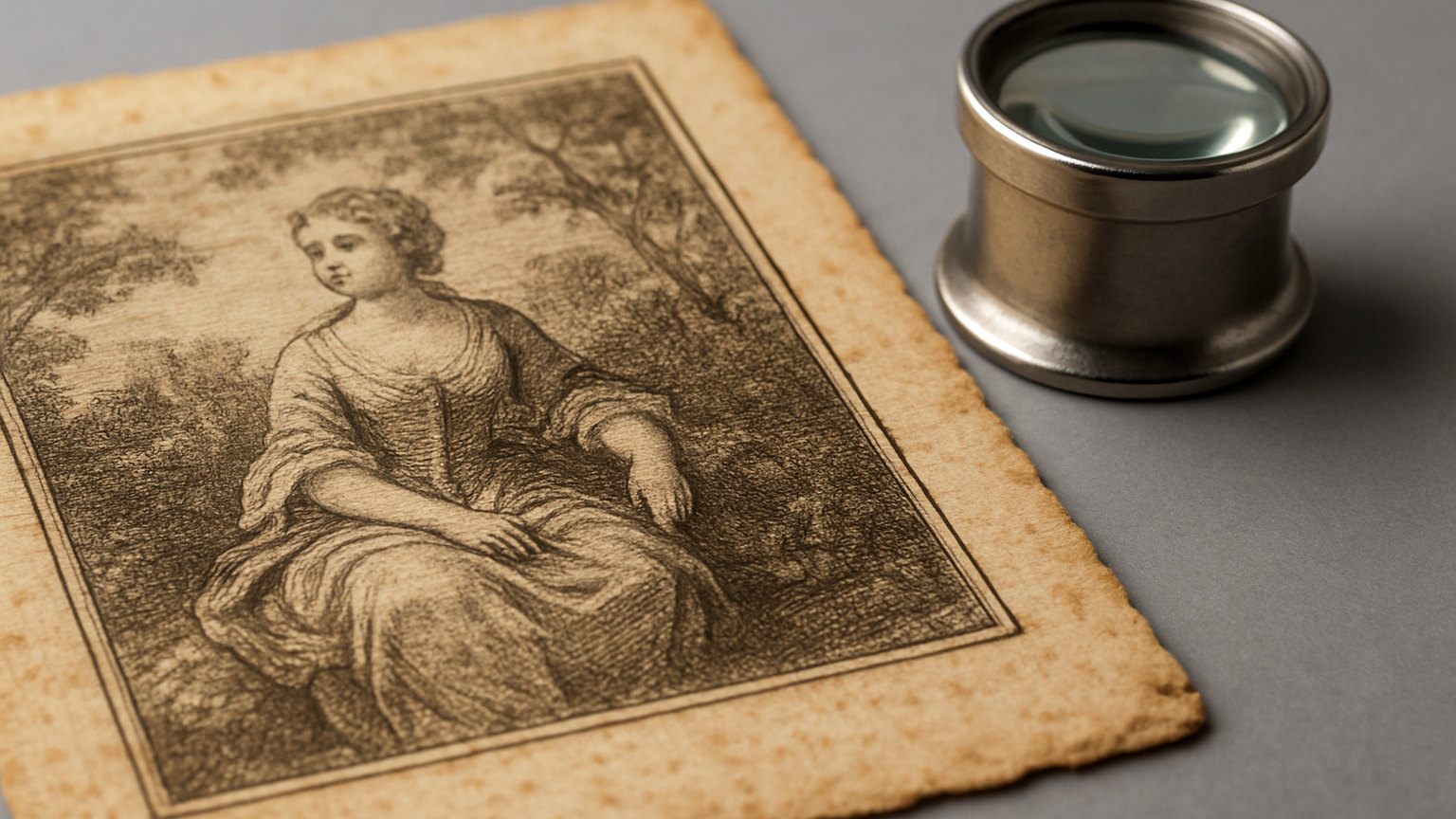
Under magnification a real photographic card shows continuous tone with no dot pattern, while a printed card shows a regular screen of dots. Real photographic cards are generally worth considerably more, both because they are scarcer and because the detail is far better for anyone studying the image.
Which subjects sell best?
Identifiable streets with legible shop fronts, railway stations and rolling stock, industrial scenes, farming and rural trades, transport, disasters and accidents, and any recorded local event such as a parade, a flood or a fire.
Social history sells strongly. Groups of workers outside a factory, a village school class, a shop interior with stock visible, a horse drawn delivery cart with a legible name on the side. Anything that documents how people actually lived and worked, rather than how a place looked to a tourist, has a committed audience.
Does the message on the back matter?
Sometimes considerably. A message describing a specific event, mentioning a named place or person, or written by someone identifiable can add real interest, and cards sent from unusual circumstances are collected in their own right.
The postmark is useful too, since it dates the card precisely and identifies where it was posted. Cards with unusual or scarce postmarks attract postal history collectors, who may want the card for the mark rather than the image. Never soak a stamp off a postally used card, because the postmark and the stamp together are part of what makes it collectable.
How do you date an unposted card?
By the back. Early cards had the whole reverse reserved for the address, so any message had to be squeezed onto the picture side. Later the back was divided by a vertical line, with the message on the left and the address on the right.
A card with an undivided back is therefore earlier than one with a divided back, which is a firm and useful dividing line. Publisher names, printed instructions and the wording of any postage note also change over time and help narrow the period further.
What condition problems matter?
Corner damage, creases, thinning where a card has been pulled from an album, and album marks along the edges. Writing across the front of the image reduces value, though writing on the back rarely does.
Fading is a real problem with photographic cards left in light. Check the image under good light for silver mirroring, a metallic sheen visible at an angle in the dark areas, which indicates deterioration of the photographic emulsion.
How should postcards be stored?
Upright in inert plastic sleeves, in boxes designed for the purpose, rather than stacked loose or in old albums with adhesive corners. Adhesives stain and cause thinning when cards are removed.
Keep them dry, out of direct light and at a stable temperature. Avoid the older style of album with slots cut into black card, since those papers are acidic and will discolour the cards over time. Handle by the edges, since fingerprints mark photographic surfaces permanently.