Paper money is collected as seriously as coinage and graded considerably more harshly, because paper records every handling permanently. A note that has been folded once is no longer uncirculated, and that distinction can represent a large difference in price on a scarce issue.
How are banknotes graded?
On a scale running from uncirculated down through extremely fine, very fine, fine and lower. Uncirculated means no fold, no crease, no rounding of the corners and full original crispness.
A single light fold moves a note down a grade immediately. Corner rounding, soft edges, pinholes, tears and staining all reduce it further. Because the scale is unforgiving, high grade examples of ordinary notes are scarcer than the issue figures suggest.
What drives value?
Rarity of the issue, the grade, and the signature. Notes were signed by successive officials, and some signature combinations were used for far shorter periods than others.
Serial numbers matter too. Very low numbers, repeating digits, solid runs and other unusual patterns attract collectors who buy on the number rather than the note. First and last prefixes of an issue also carry premiums.
What about provincial and private banks?
Before central issuance, a great many local banks issued their own notes, and these are collected keenly, frequently by people researching the town or the bank rather than by general collectors.
Survival is often very low, since failed banks meant worthless notes that were discarded. A note from a small local bank can be worth considerably more than a national issue of the same period, and provenance to the place adds further.
What is a specimen or proof note?
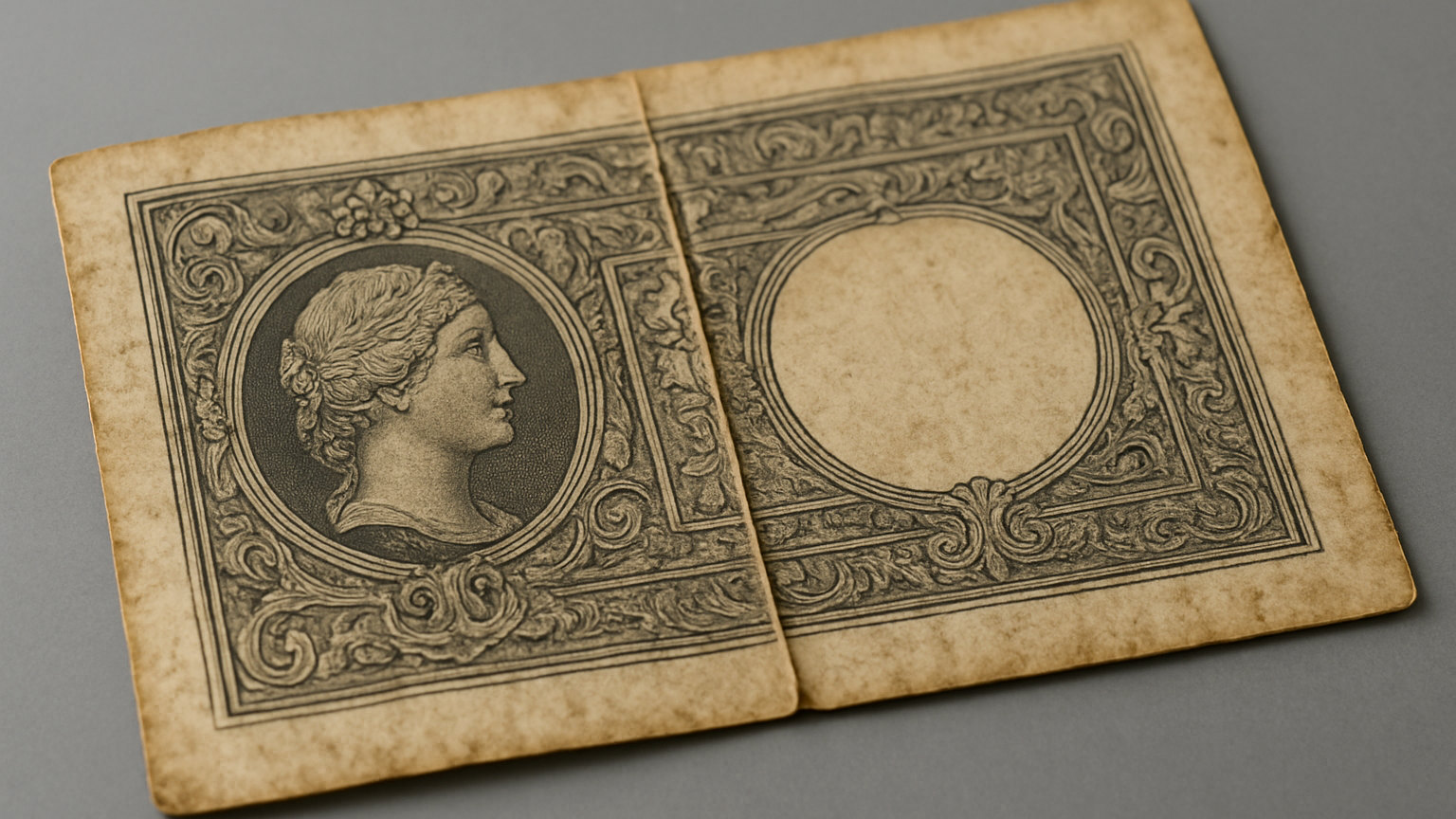
A specimen is an example produced for reference and circulation to banks, usually overprinted with wording indicating it is not legal tender and frequently with zeroed serial numbers.
Proofs are printer trials, sometimes on card or unusual paper. Both are collected and both are scarcer than issued notes. Check any overprint carefully, since these are distinctive and cannot be added convincingly.
How do you check a note is genuine?
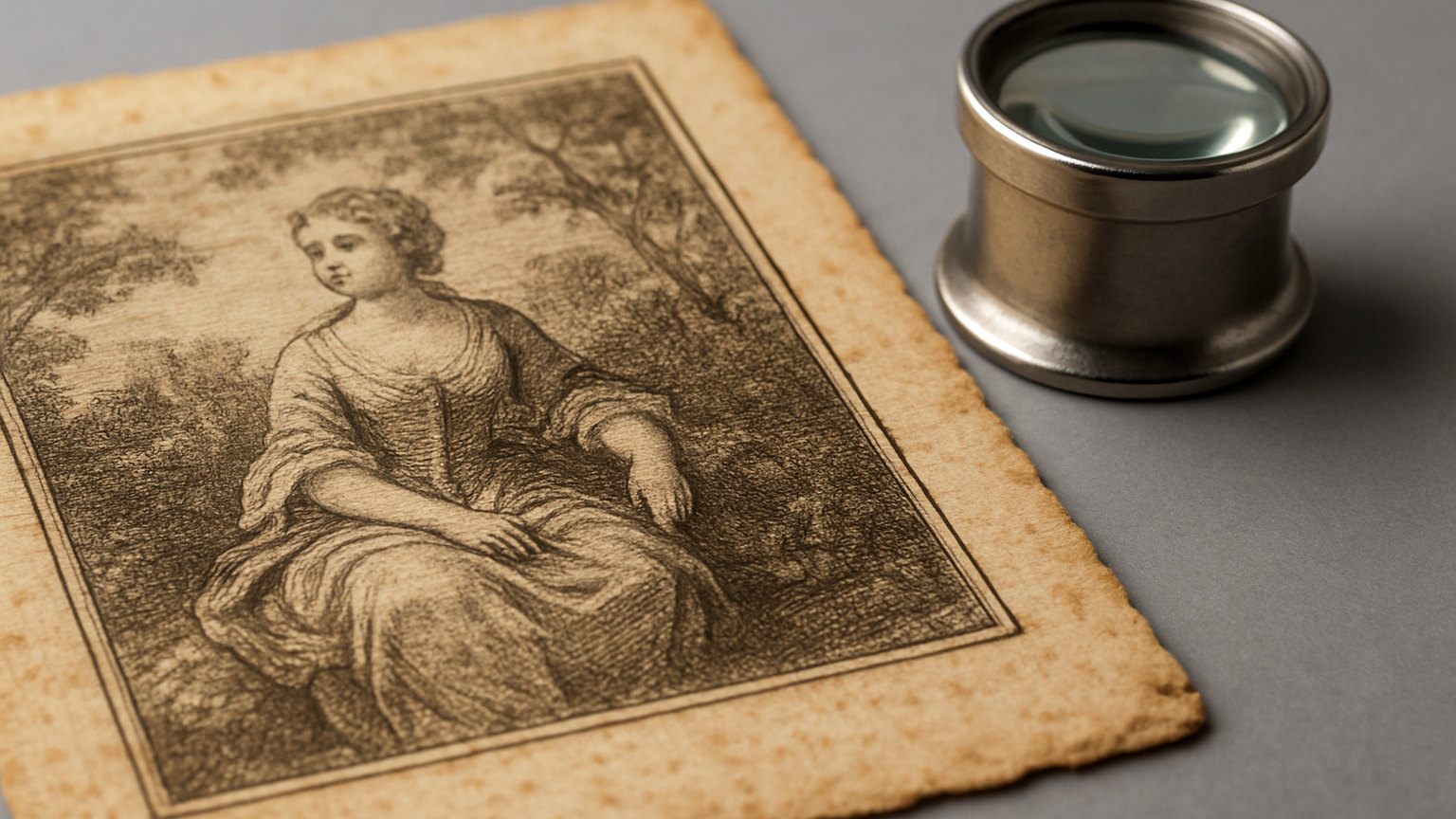
By the printing, the paper and the security features. Engraved printing gives lines of varying width with ink standing very slightly proud, visible under magnification.
Look for a watermark by holding the note to a light, and for any embedded thread or fibres. Photocopies and reproductions show a dot pattern under magnification and lack the paper characteristics entirely. Where value is significant, professional authentication is worth the fee.
What damage matters most?
Anything affecting the paper structure. Tears, pinholes, missing corners, thinning where something was removed, and repairs using tape are all serious.
Staining and foxing reduce value considerably since they cannot be removed safely. Trimmed edges, where somebody has cut a note to tidy it, are treated as damage and detected by comparing the dimensions against a known example.
Should notes ever be pressed or cleaned?
No. Pressing to remove folds is detectable and is treated as alteration rather than improvement, and it can flatten the paper texture permanently.
Washing, bleaching and any chemical treatment all damage paper and are immediately obvious to anyone experienced. A note in honest circulated condition is worth more than one that has been interfered with, exactly as with coins.
How should they be stored?
Flat, in inert sleeves designed for the purpose, away from light and damp. Never fold a note that is not already folded, and never store notes under weight.
Avoid soft flexible plastics containing plasticisers, which break down and can stick to the surface. Handle by the edges with clean dry hands, and never use paperclips, pins or adhesives anywhere near paper money.
Where should they be sold?
Through specialist dealers and auctions rather than general salerooms, where paper money is frequently catalogued casually and sold well below its worth.
Have anything early, provincial or unusually numbered assessed by a specialist before selling, and never assume a note is worth only its face value. Notes withdrawn from circulation are frequently still exchangeable at the issuing bank, which sets a floor beneath the common ones.