Antique jewellery is bought on close inspection or not properly bought at all. Almost everything that matters is small enough to need magnification, and the problems are consistent enough across the category that a fixed checklist catches most of them in a few minutes.
Is the metal what it claims to be?
Check for a mark first, inside a ring shank, on a clasp, on the reverse of a brooch. Many antique pieces are unmarked because small items were exempt, so an absent mark proves nothing either way.
Look at wear points on edges and high spots, since rolled gold and gilt show base metal breaking through with a fairly defined edge. Where the answer matters, ask for electronic testing, which is quick and does no damage.
Are the stones original?
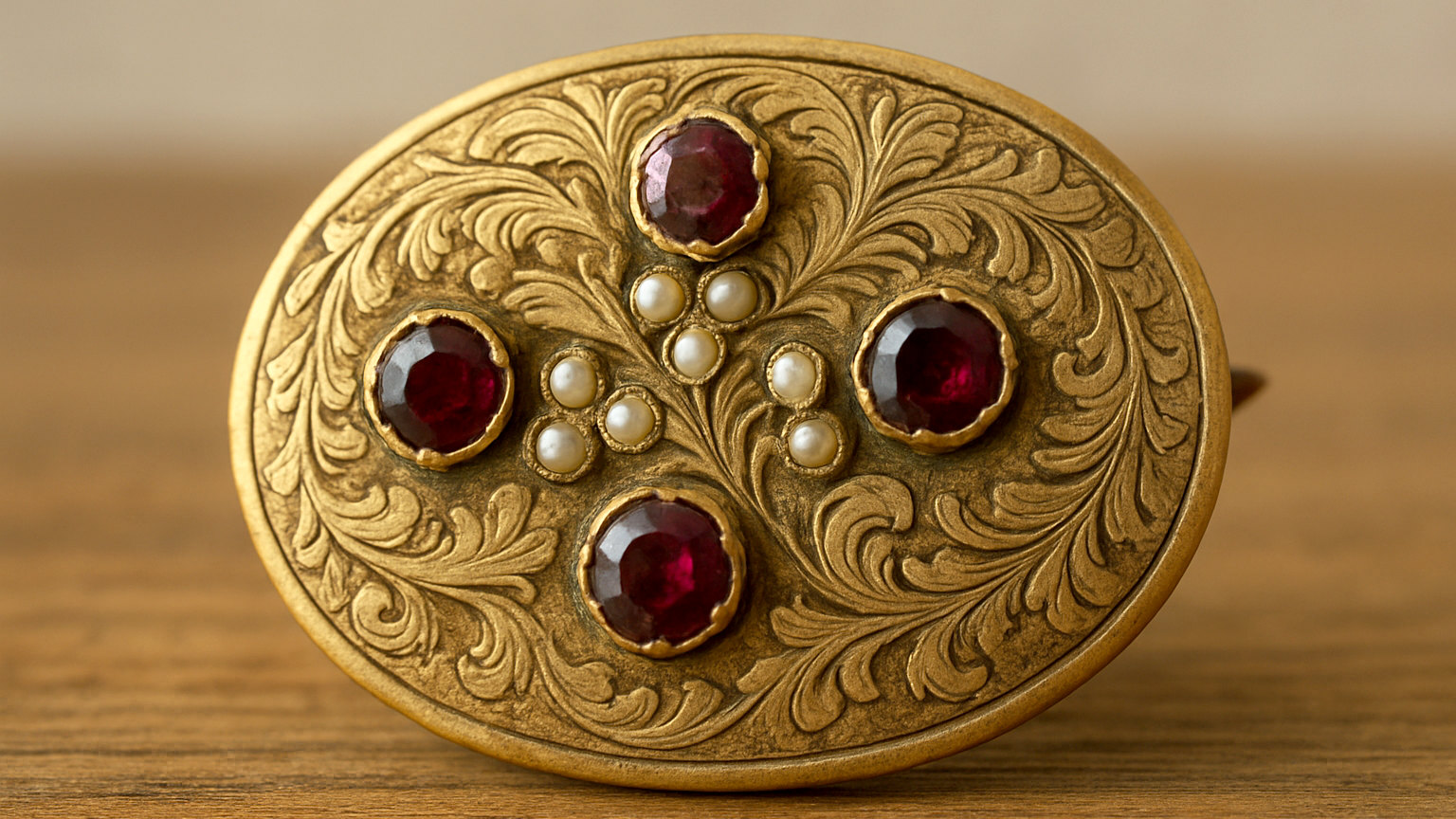
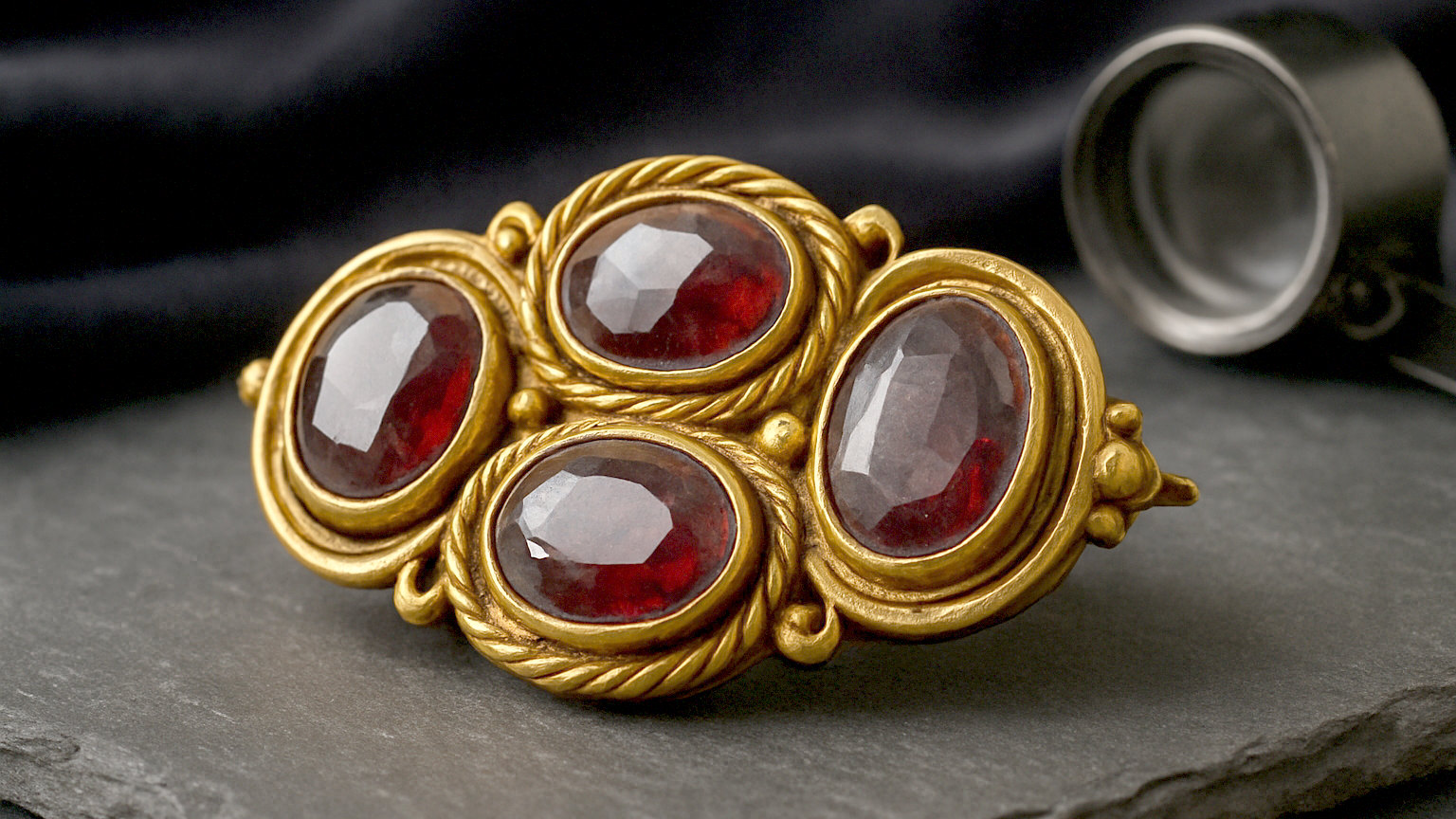
Assess the cut first. Old mine and rose cuts have distinctive proportions quite unlike modern brilliants, and a modern stone in an obviously early setting is the clearest possible signal.
Then check the fit. Claws bent inward to grip a smaller stone, packing beneath a stone, or a stone sitting noticeably high or low all indicate replacement. In a cluster, compare the stones against each other for colour, cut and size.
How worn are the settings?
Look at the claws under magnification, since worn claws are how stones get lost. They should be even in length with sufficient metal to grip.
Press very gently on each stone with a fingertip and watch for movement. Any looseness needs attention before the piece is worn. On collet and rub over settings, check the metal edge is intact all the way round rather than split.
Has the piece been converted?
Extremely common and worth checking on every item. Brooches became pendants, earrings were refitted for pierced or unpierced ears, and rings were resized repeatedly.
Look for solder marks, patches of differently coloured metal, filled holes, and fittings that sit awkwardly against the design. A fitting that is modern in style on an otherwise early piece has almost certainly been added.
Is there any enamel or applied decoration?
Check it closely, since enamel chips cannot be repaired without refiring, which risks destroying the whole piece. Examine edges and areas around settings under magnification.
Look for hairline cracks within colour fields and for areas where enamel has lifted from the metal. Cold repairs using resin are cosmetic and detectable, appearing as slightly matt patches with softer colour.
What about closed backs and foil?
Establish whether the setting is closed underneath, since that changes how the piece must be cleaned forever afterwards. Closed backs frequently contain foil beneath the stones.
Any moisture reaching that foil tarnishes it permanently and ruins the appearance of the stone. A closed back piece must never be immersed or cleaned ultrasonically, and a seller should tell you if a piece is constructed that way.
What should you ask the seller?
Whether any stones have been replaced, whether the fittings are original, whether there is any restoration, and what the metal is. Ask for the answers in writing on the receipt.
A reputable dealer answers plainly, since conversions and replacements are normal in a category where pieces have been worn for a century. Vagueness on these points is the warning rather than the answers themselves.
What should be on the receipt?
A description of the piece, the metal, the stones, the approximate period, any restoration or replacement, and the price. That description is your protection if anything proves otherwise.
For anything of significance, have the piece assessed by an independent jeweller or valuer before or shortly after purchase. The fee is small against the sums involved, and it converts a seller assurance into a documented opinion.
Should you try it on?
Yes, for anything you intend to wear. A ring that needs substantial resizing, a brooch too heavy for fine fabric, or a bracelet that will not sit properly are all practical problems worth discovering first.
Check the clasp operates easily enough that you will actually use it, since an awkward fastening means a piece stays in a drawer.